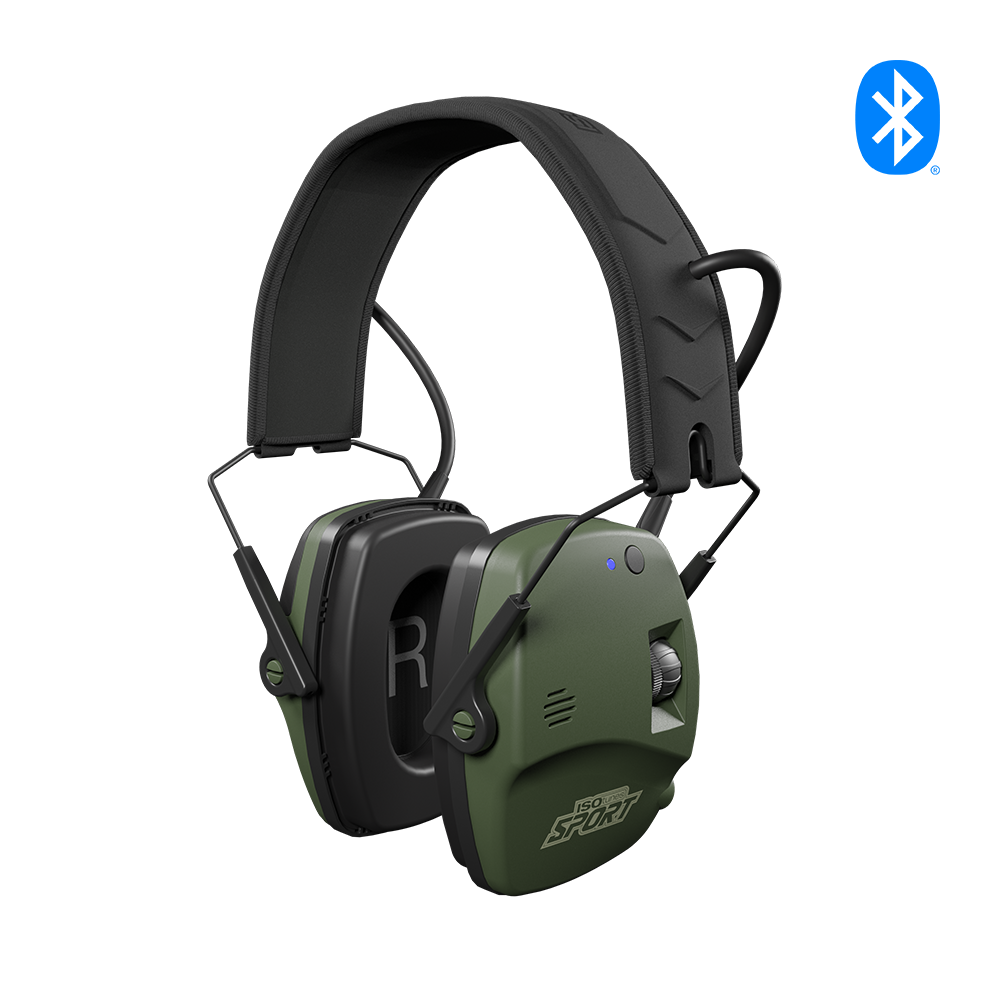
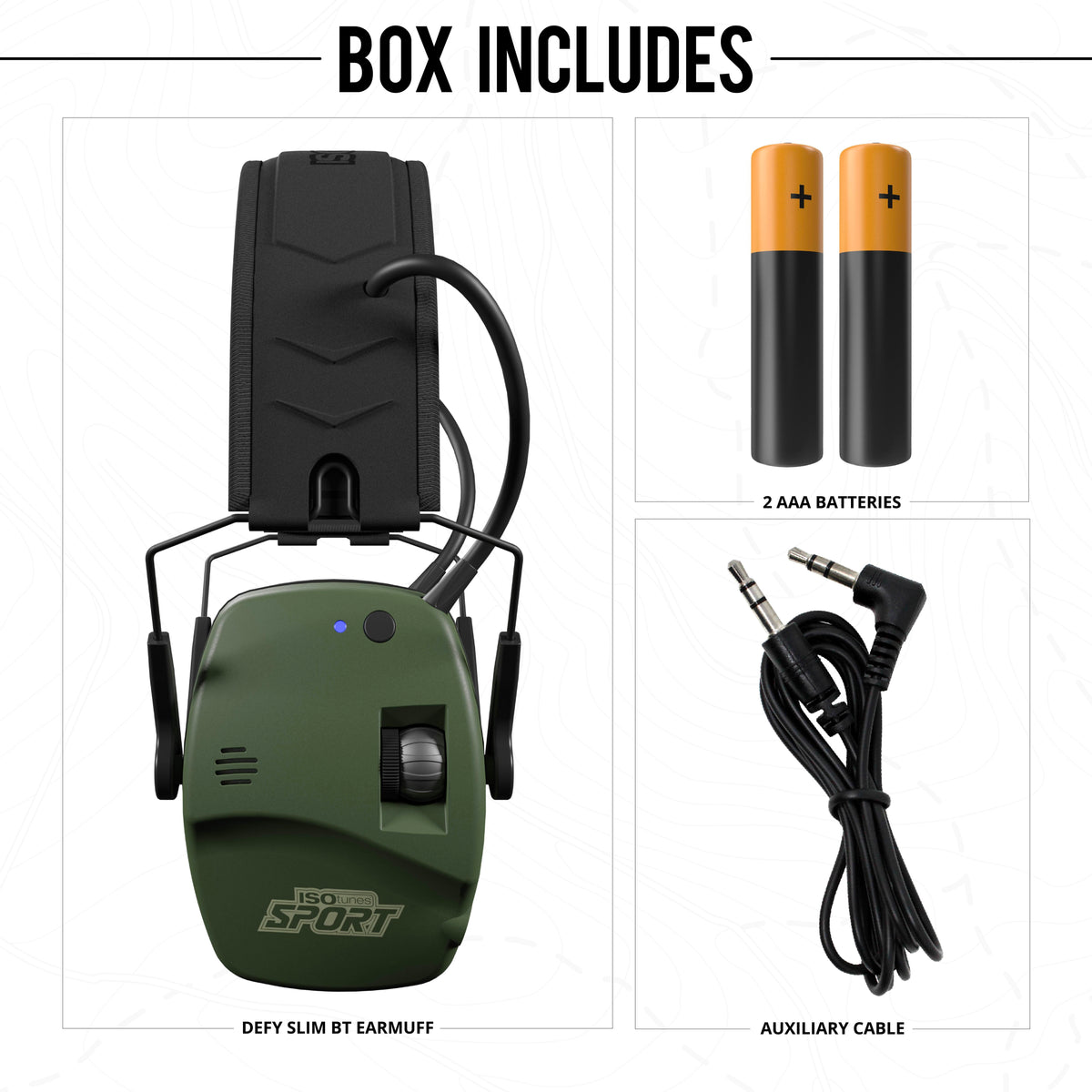
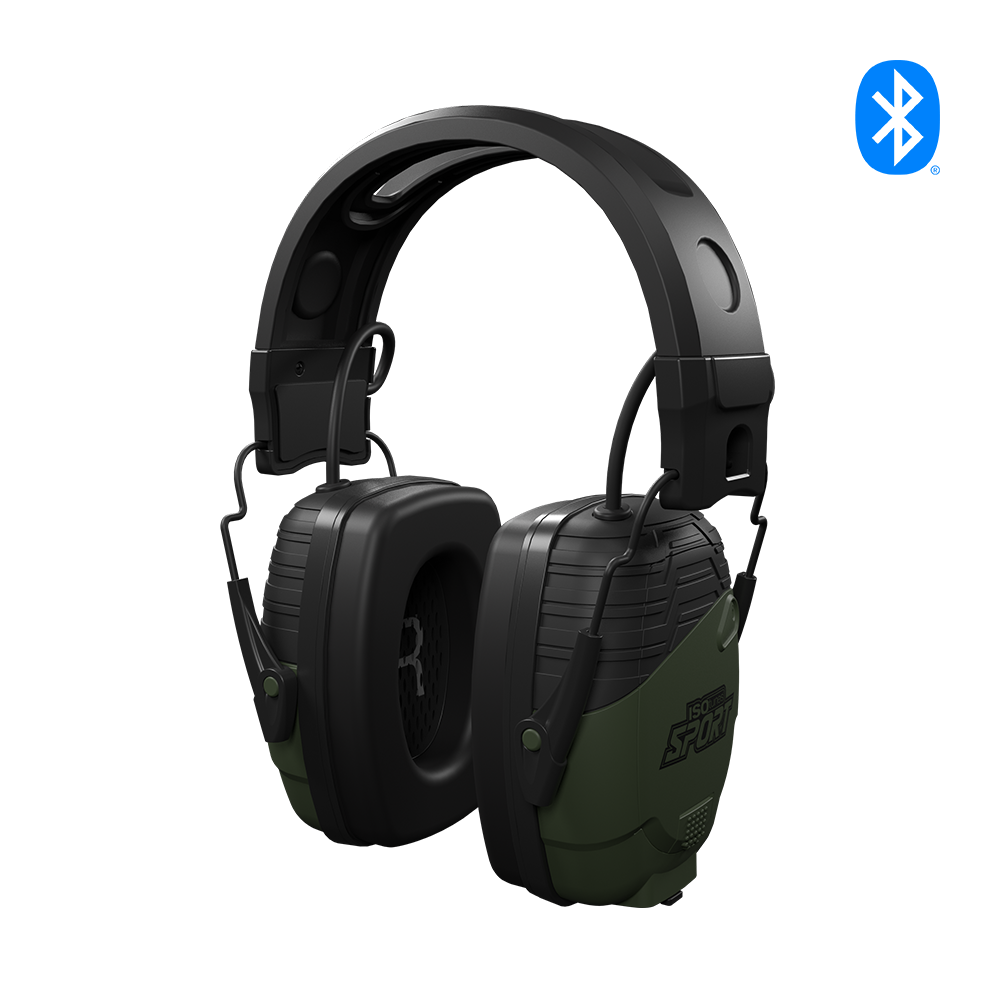
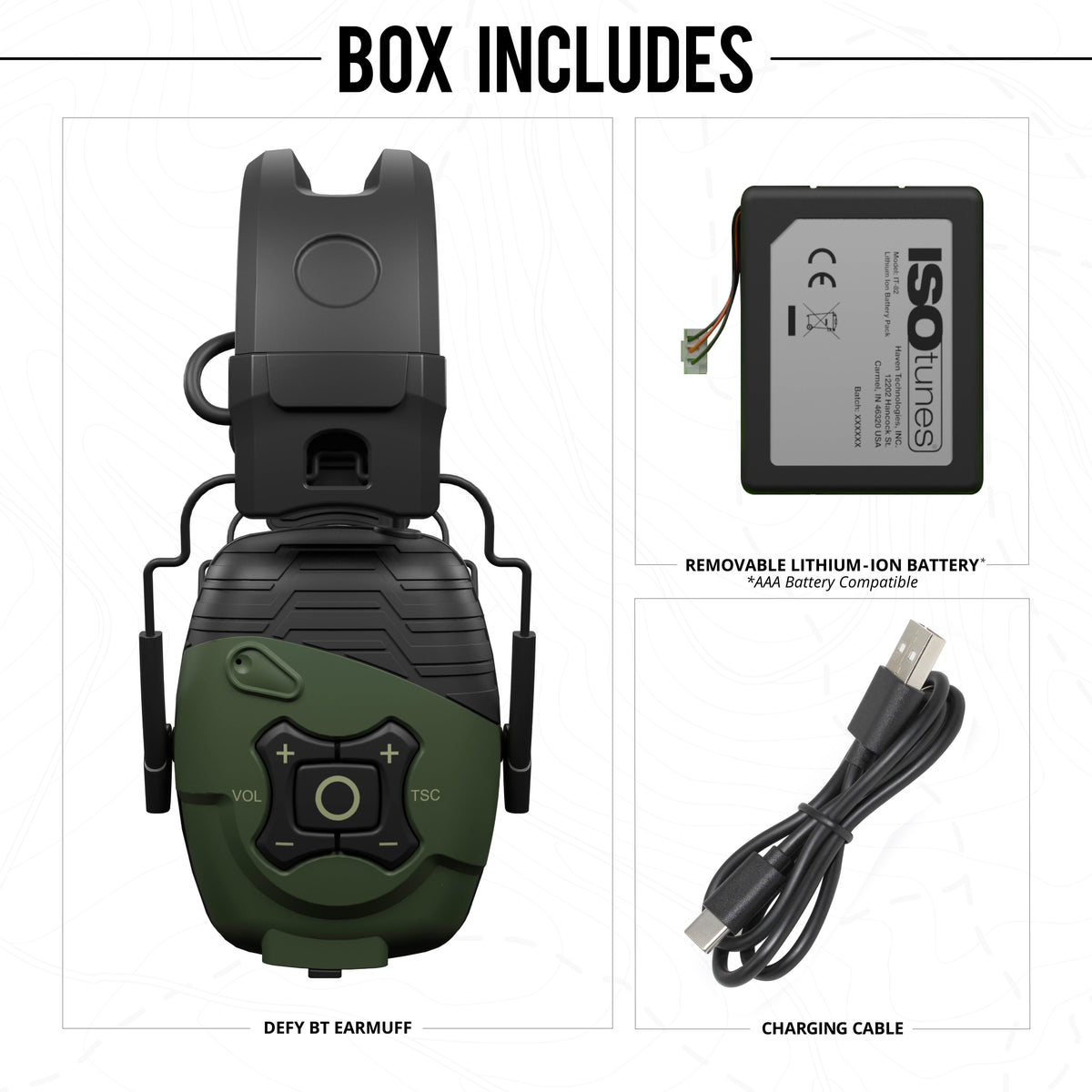
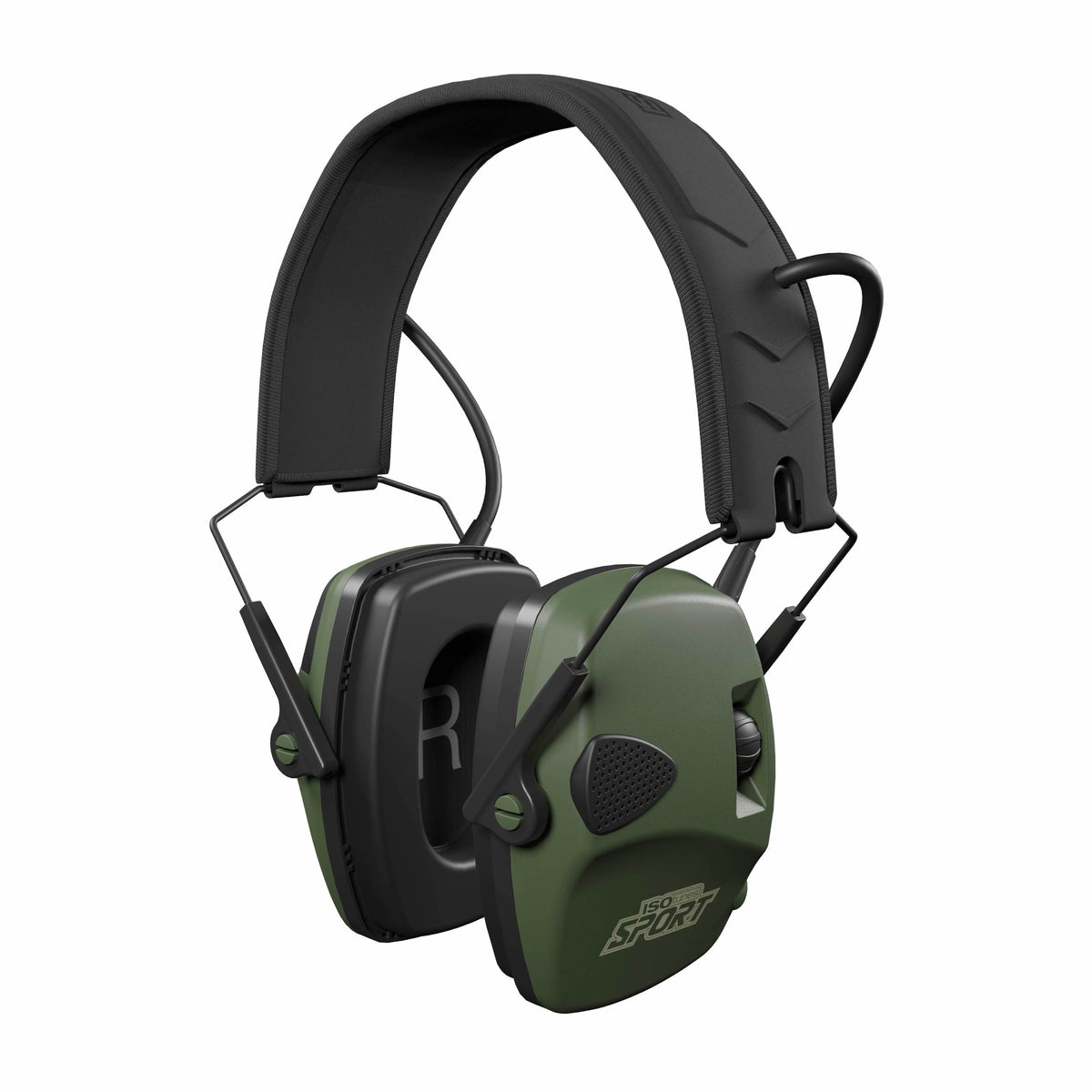
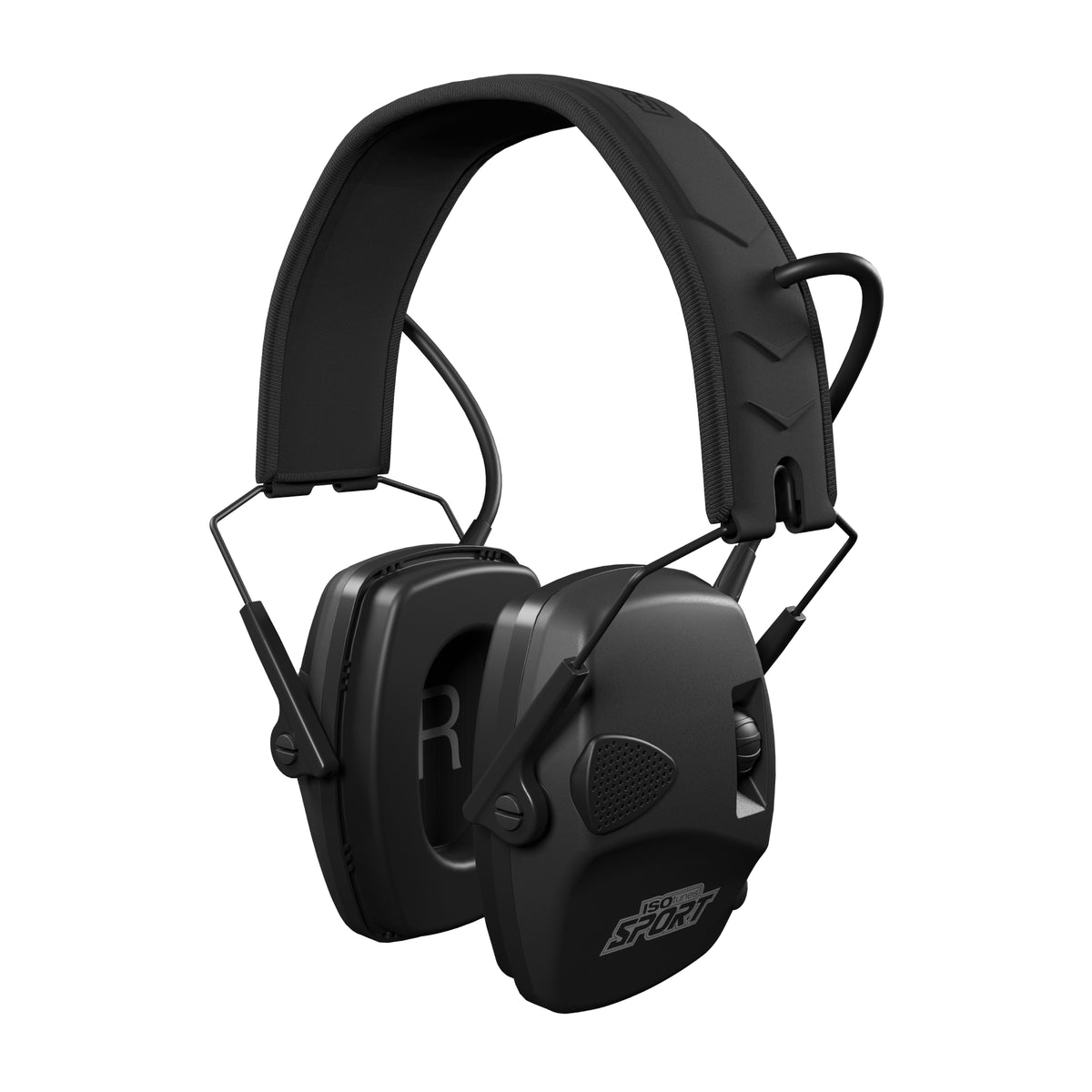
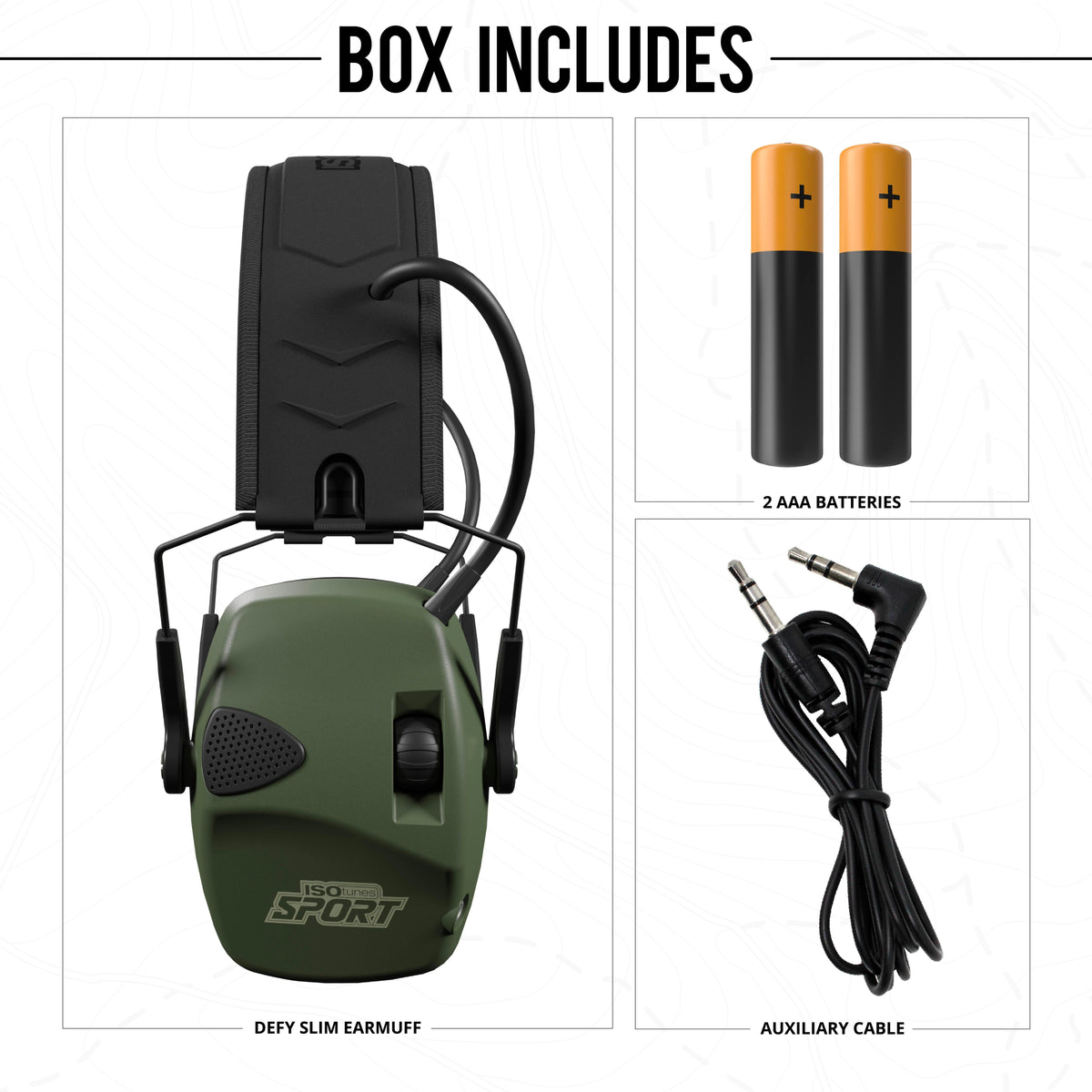
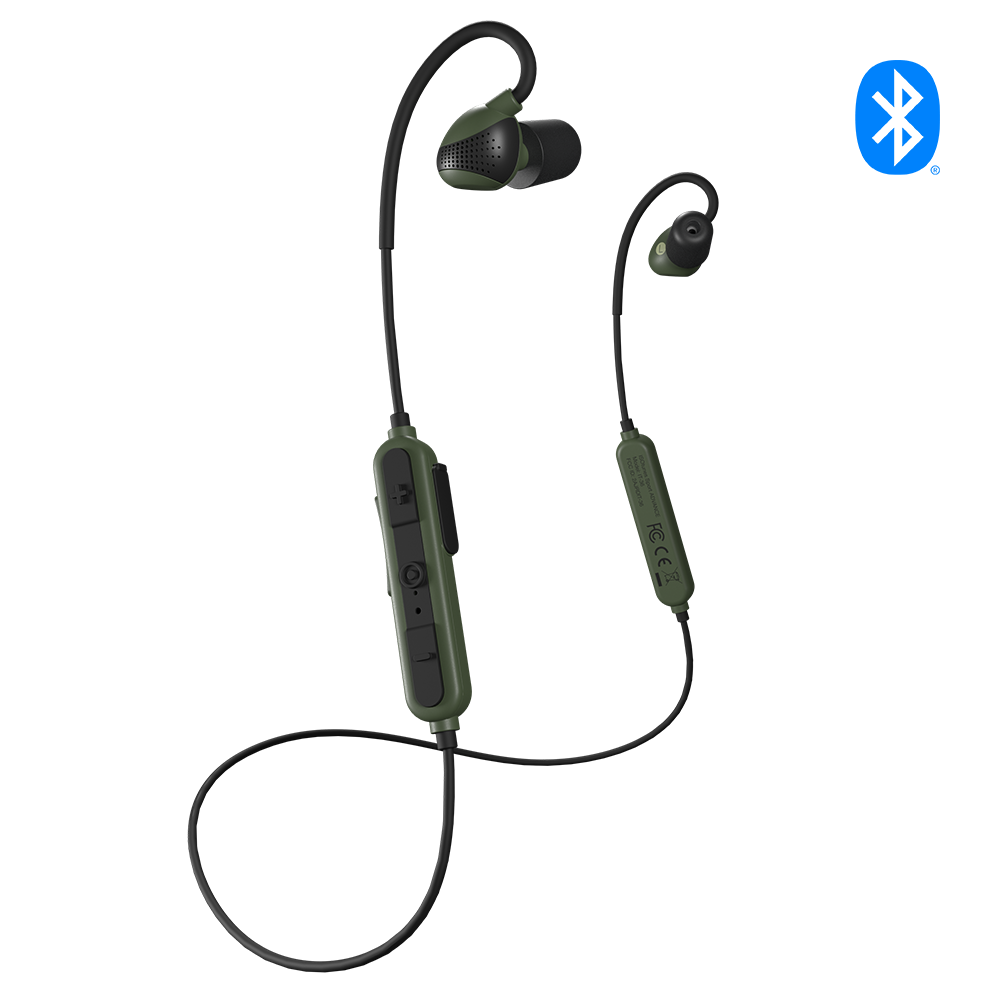
Since electronic ear protection can often come jam-packed with features, here are some you should look for specifically:
Noise Reduction Rating (NRR) & Protection Level
Noise Reduction Rating, or NRR, measures how much sound a hearing protection device like earplugs or earmuffs can reduce in decibels (dB). For shooting, you’d want a model that is an NRR rating that makes it capable of suppressing the high decibel levels of gunfire (at least 22–26 dB if you’re using only one form of protection).
Furthermore, electronic devices should not only have a strong NRR but also be certified to reliable standards. The higher the rating, the better, but make sure the model does not compromise on other essential features like awareness or audio clarity.
Tactical Sound Control™ Technology
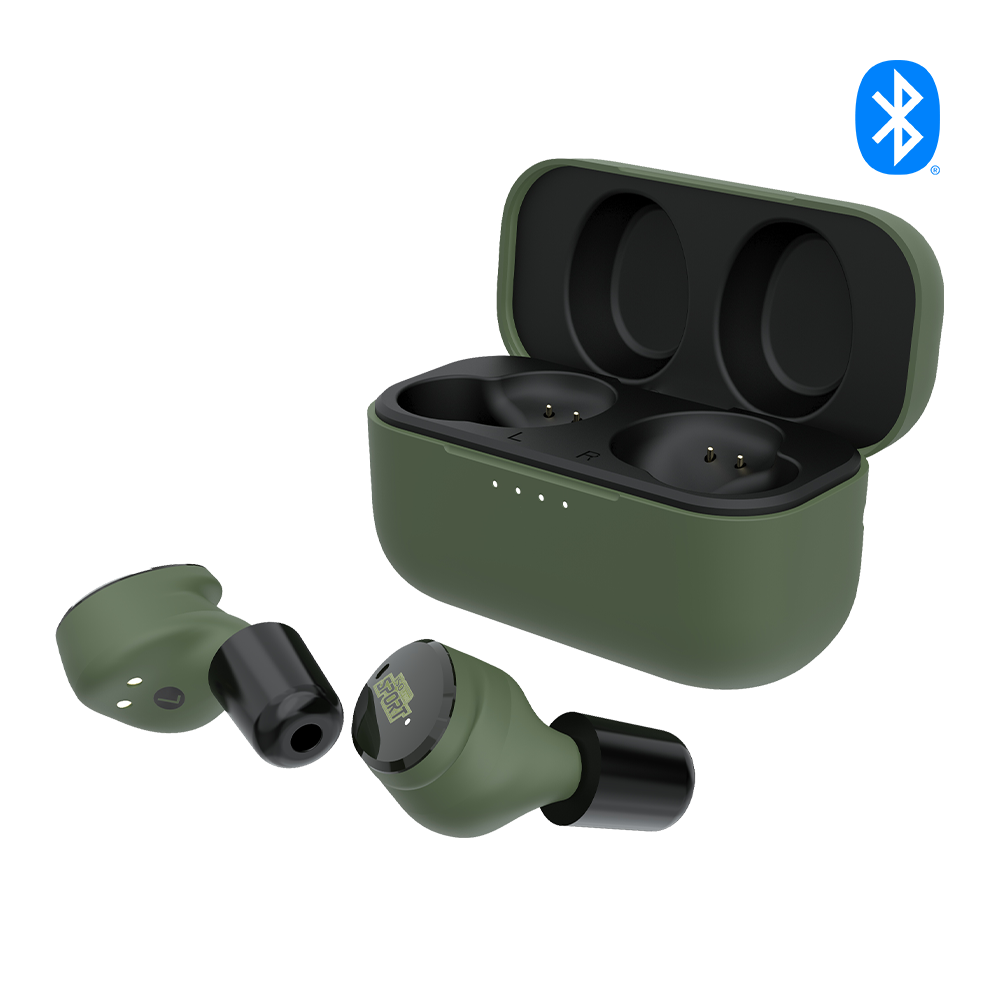
ISOtunes Sport’s Tactical Sound Control™ technology addresses a major pain point of hunters and shooters: it amplifies ambient sound but suppresses high-impact noises within a fraction of a second (less than 2 ms, to be more specific). The benefits of that must be obvious, but they are: the ability to hear game movement, range commands, or wind without exposing your ears to damaging noise bursts.
Bluetooth Connectivity for Calls & Music
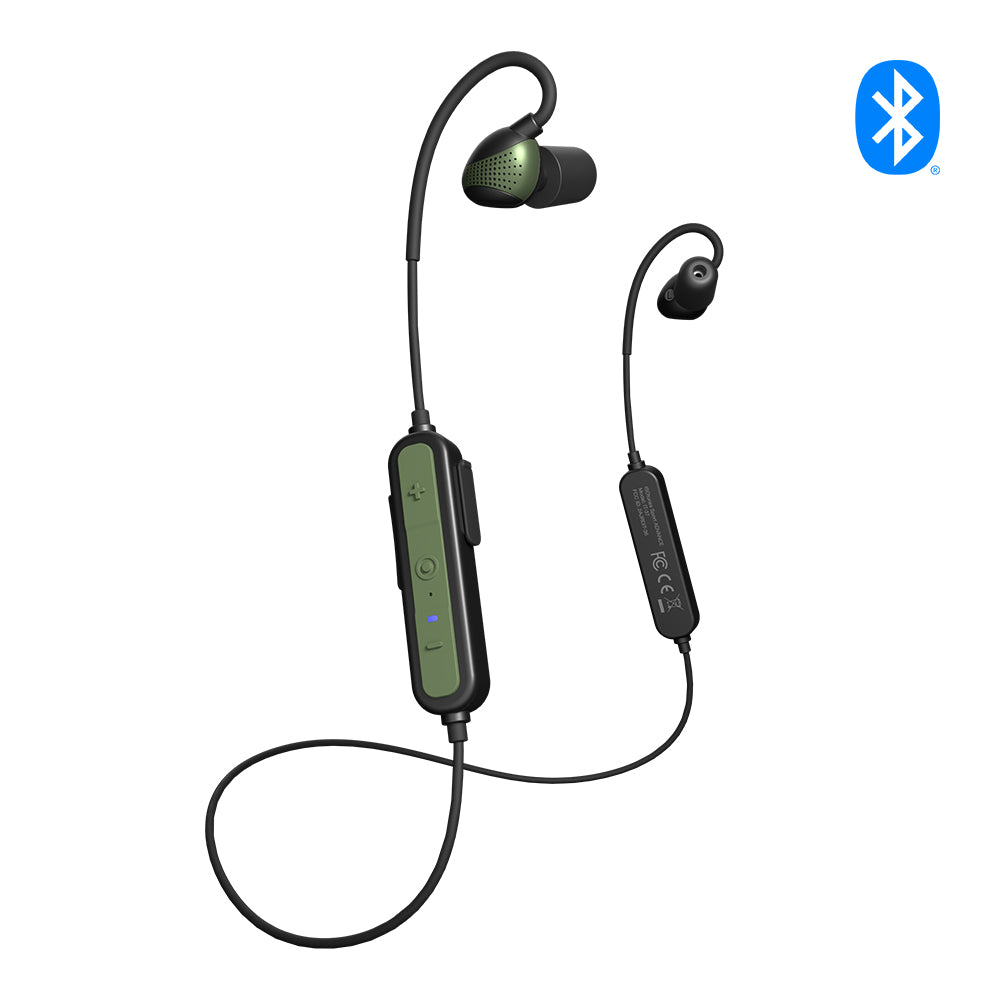
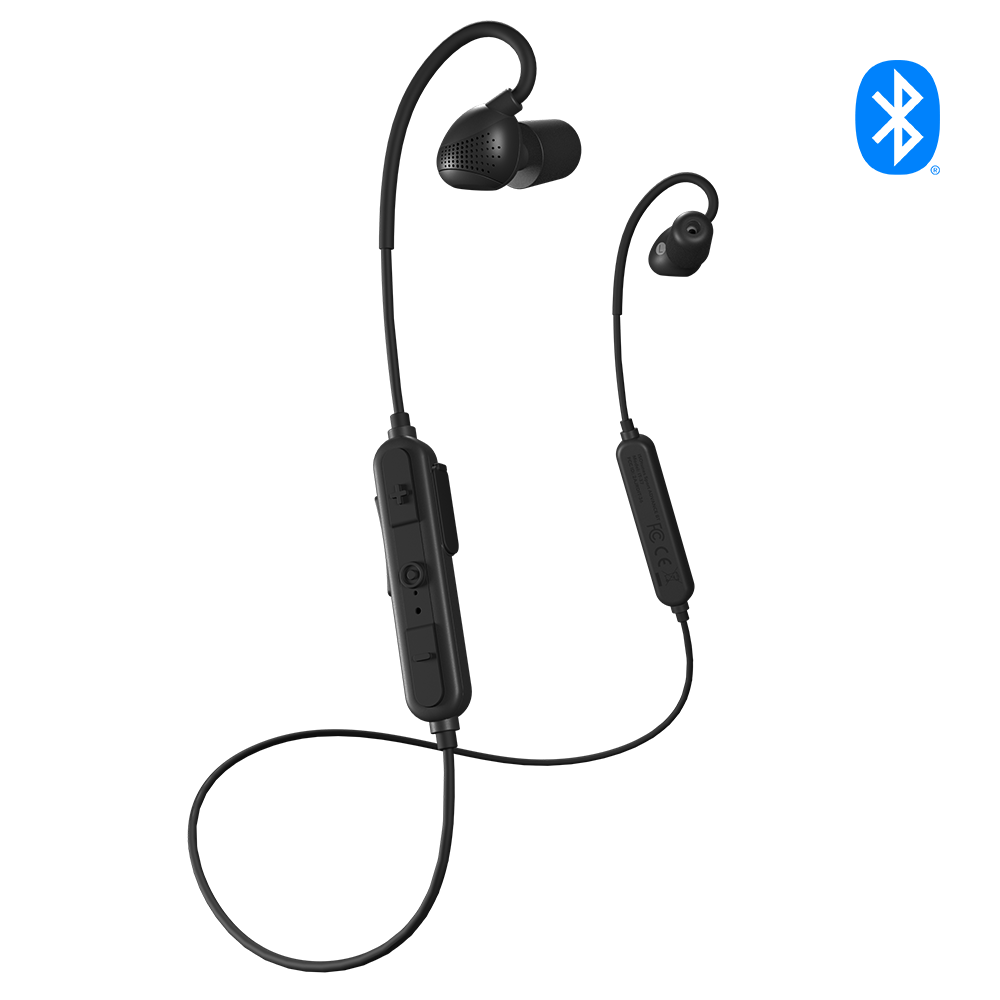
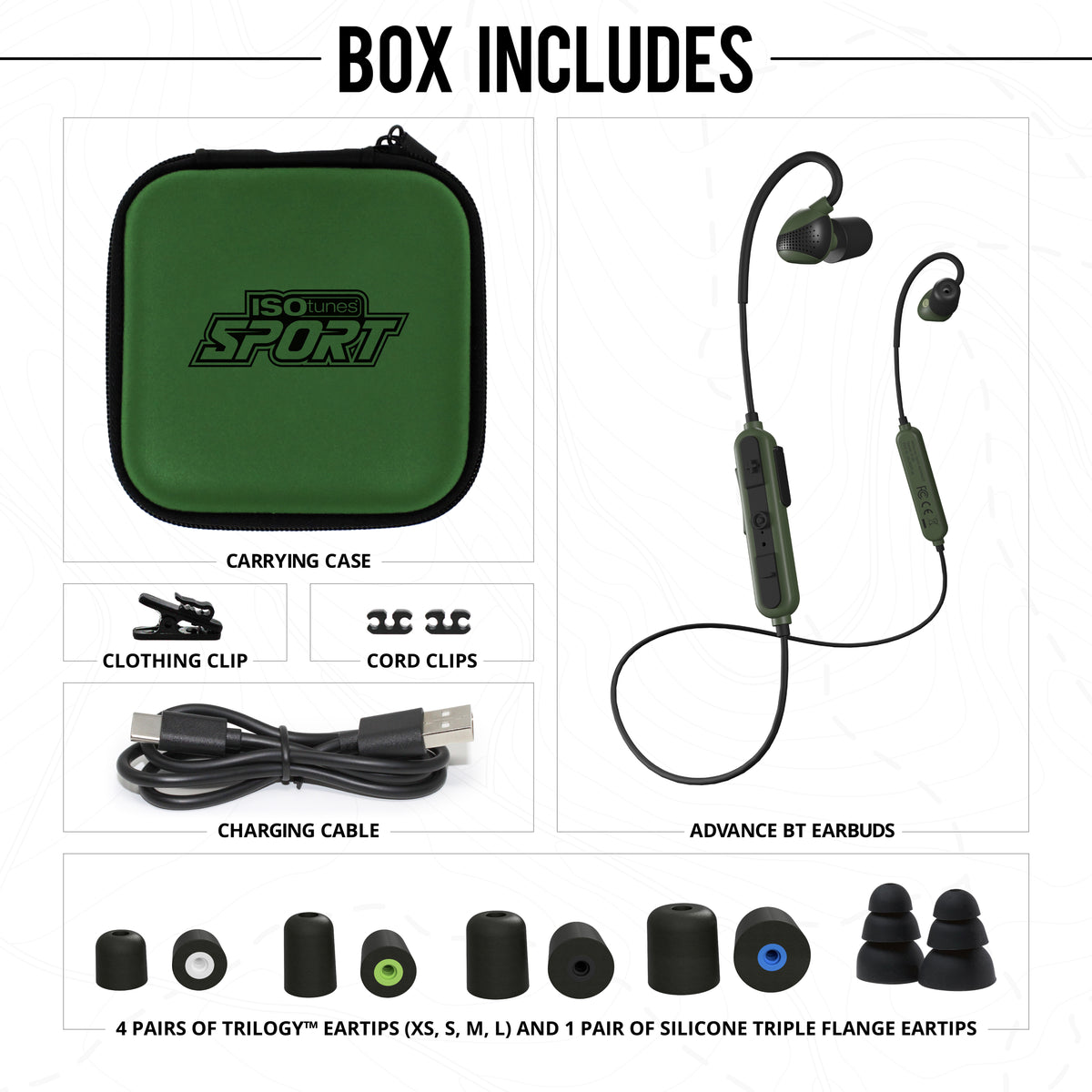
The habit of shooters and hunters is shifting between earbuds/muffs simply to receive a call, or stream music. Well, with electronic ear protection, you can bid that habit farewell. Models offered by ISOtunes Sport come with Bluetooth and a microphone, so you can use them both as general-purpose headphones and, of course, ear protection when you’re out hunting or on the range.
Comfort & Fit for Long Sessions
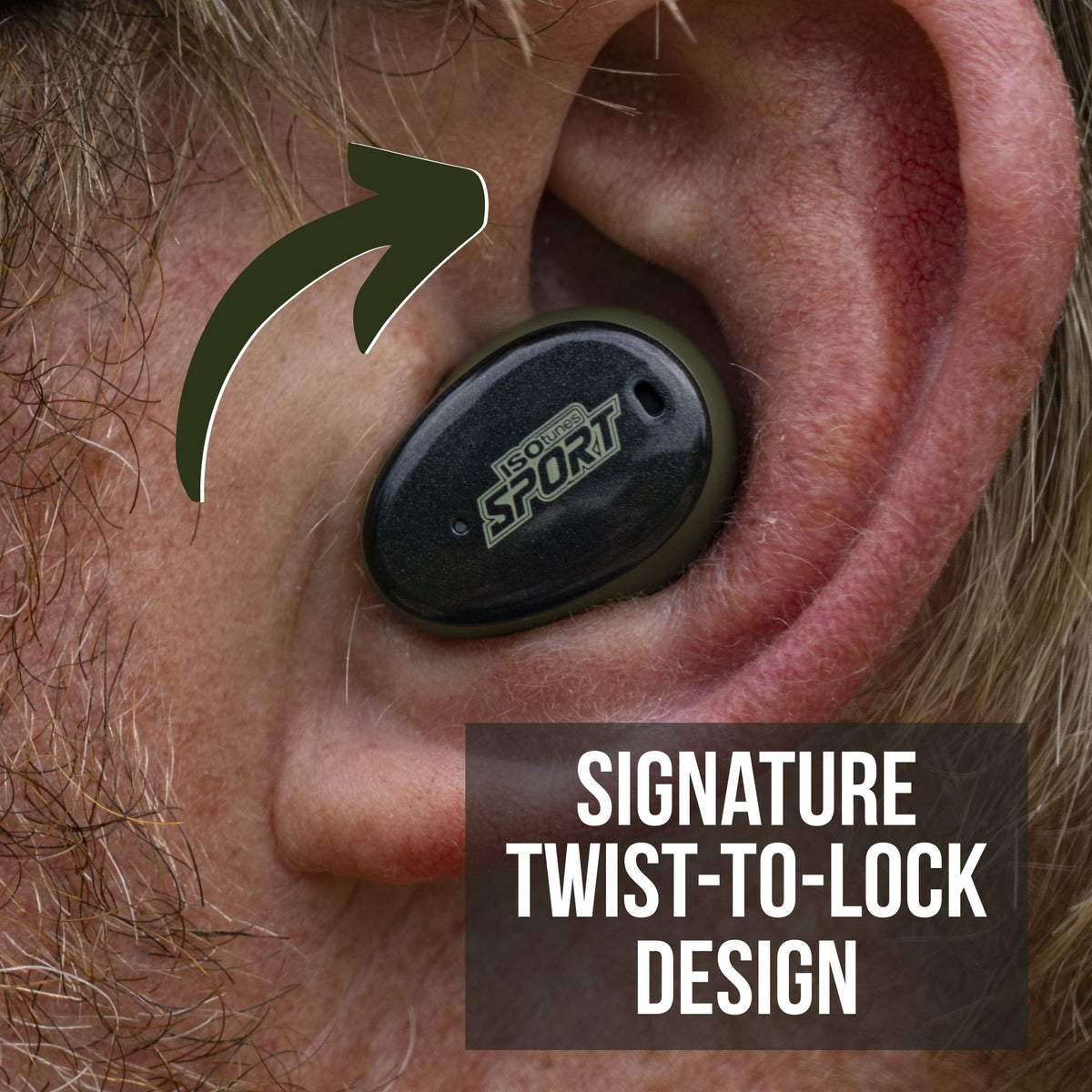
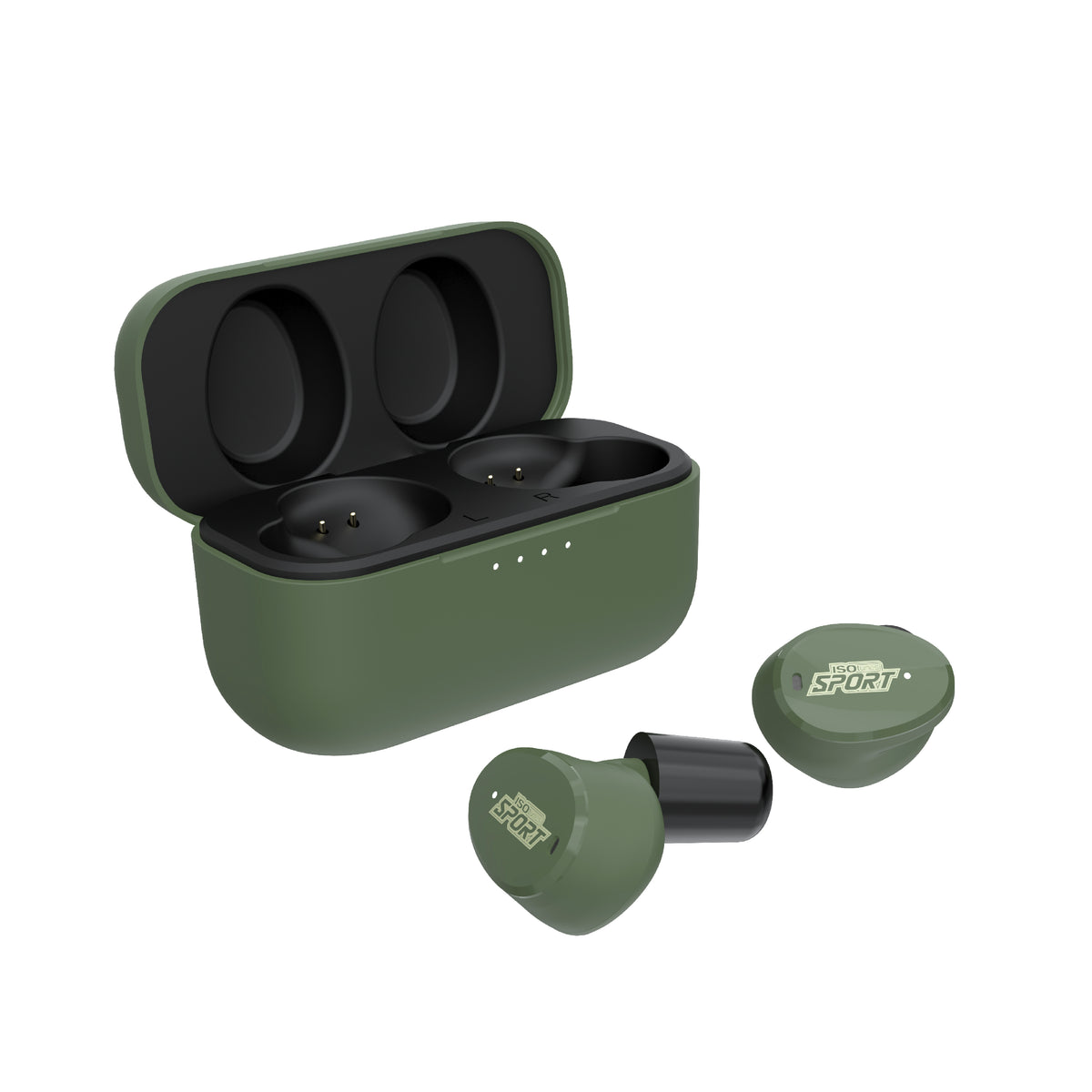
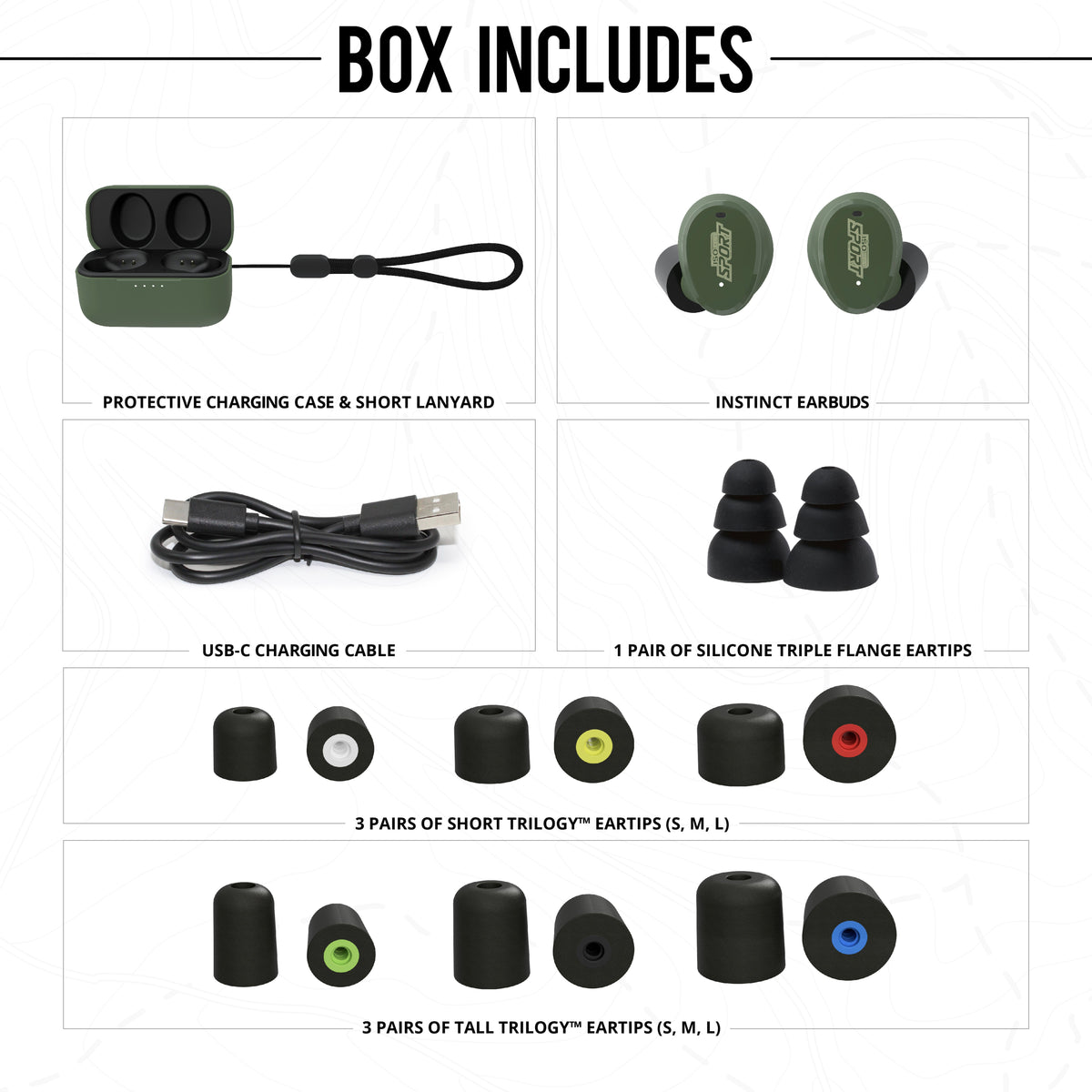
Hunting can take hours, even days. You may be waiting a long time at the range, too. So, comfort really isn’t something you can ignore. Look for a design that feels most comfortable to you. Earbuds need secure tips that don’t fall out, and over-ear models need cushioned cups and a well-balanced headband. If your ear protection causes fatigue or is just uncomfortable to wear, you’ll likely not wear them and thus risk damaging your hearing.
Durability & Weather Resistance
Hunting and shooting are far more gentle sports, and that fact is well known. You don’t know what you might face out in the wild. Rain, dust, sweat, and early morning dew are perhaps the most predictable factors. The electronic ear protection you choose must be built tough enough to handle these conditions. Look for IP (ingress protection) ratings for water and dust resistance.
Battery Life & Power Options
Finally, and obviously, battery life matters. Your electronic ear protection is just passive ear protection if the battery dies midway through a hunt. The best electronic models offer long battery life, fast recharge, or dual-power modes.