Filters

Filters

$
to
$
12 products
Sort by
Sort by
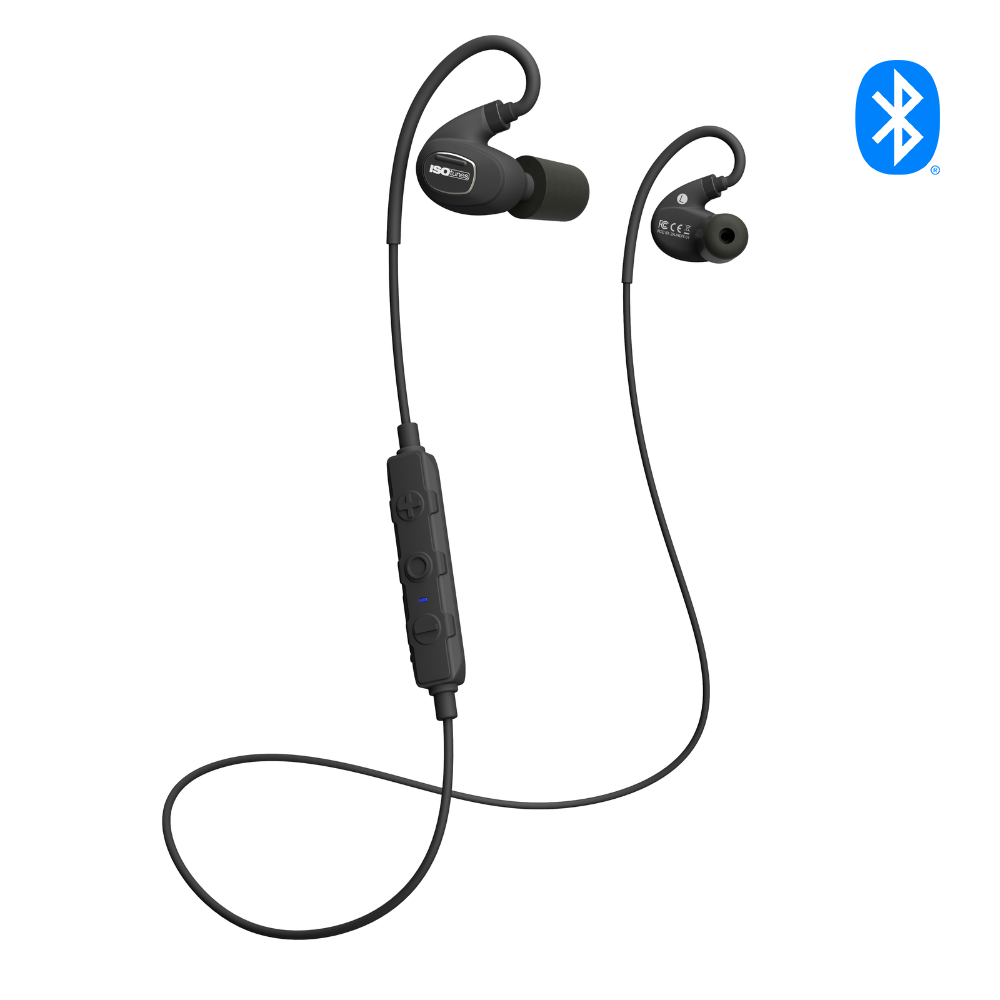
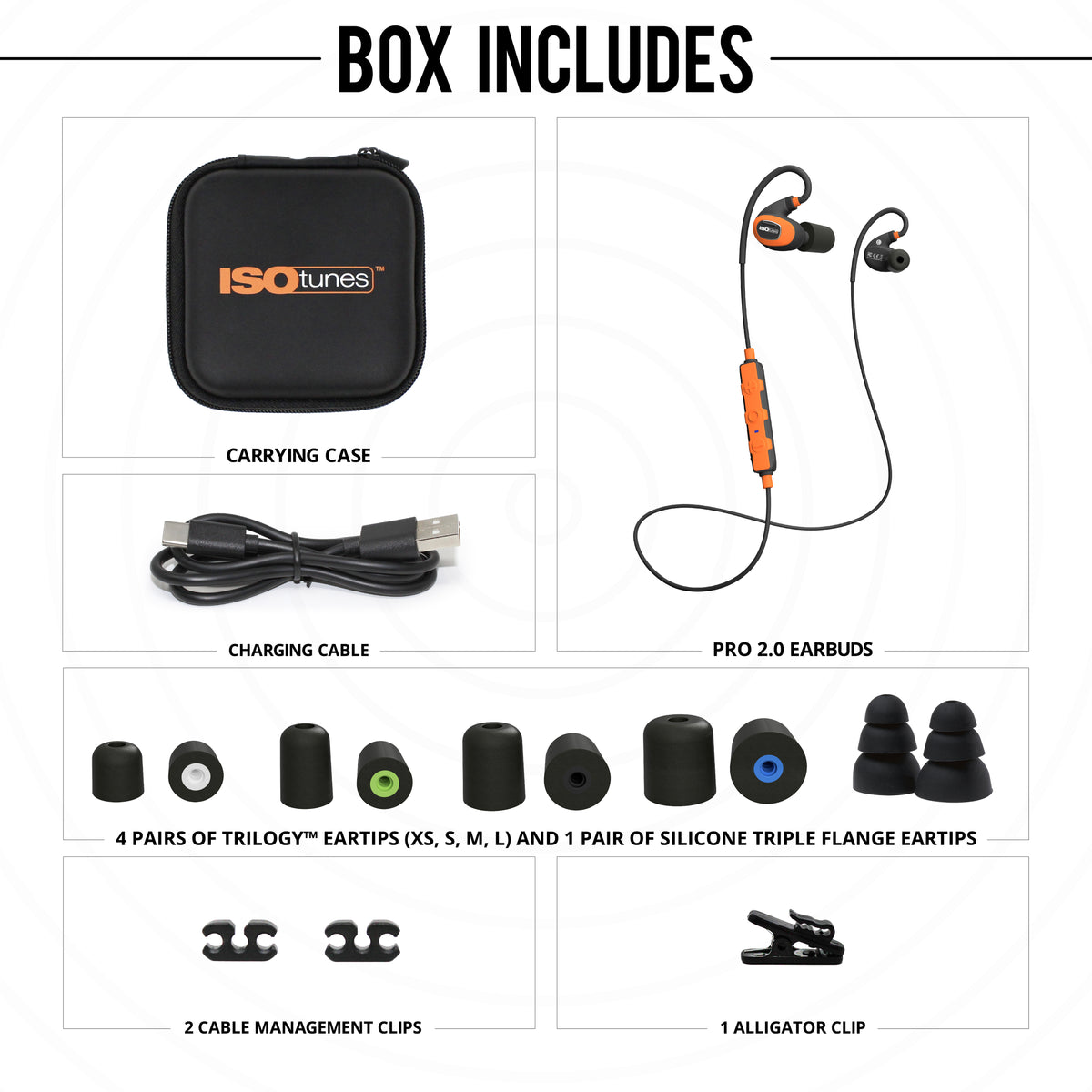
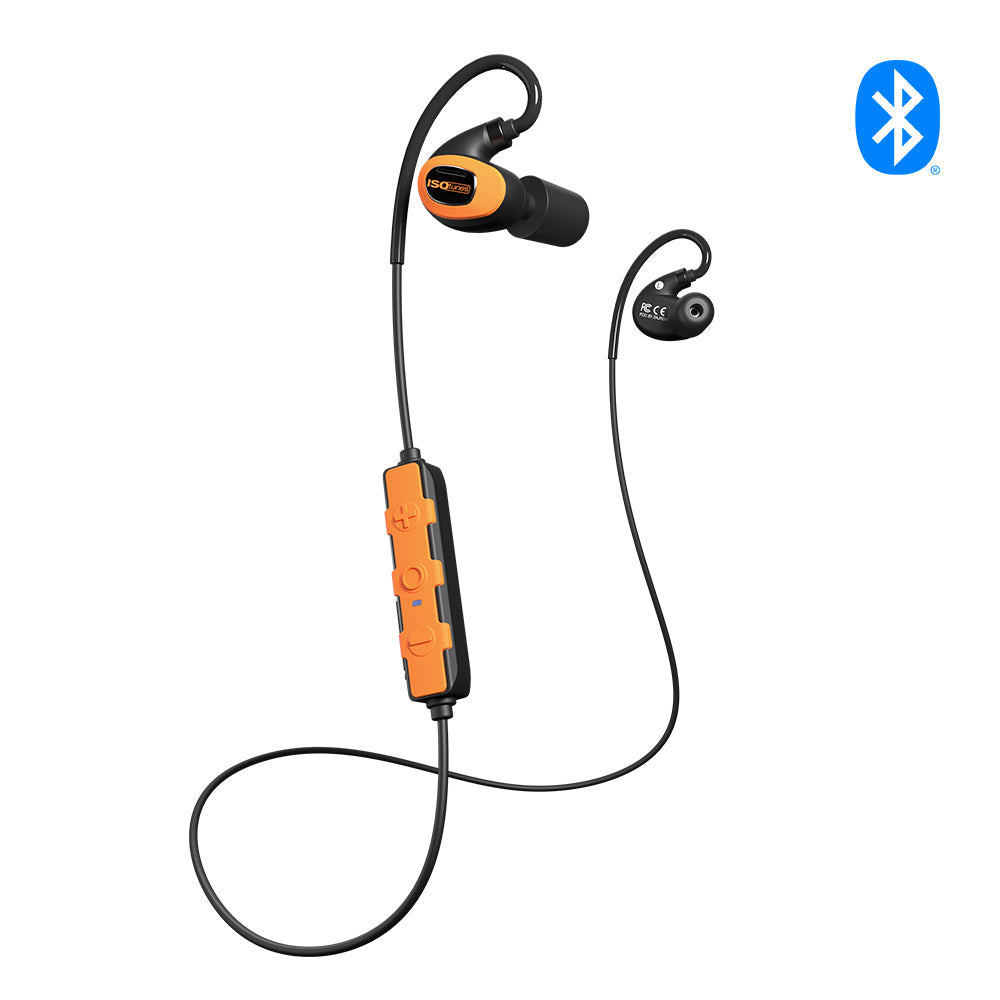
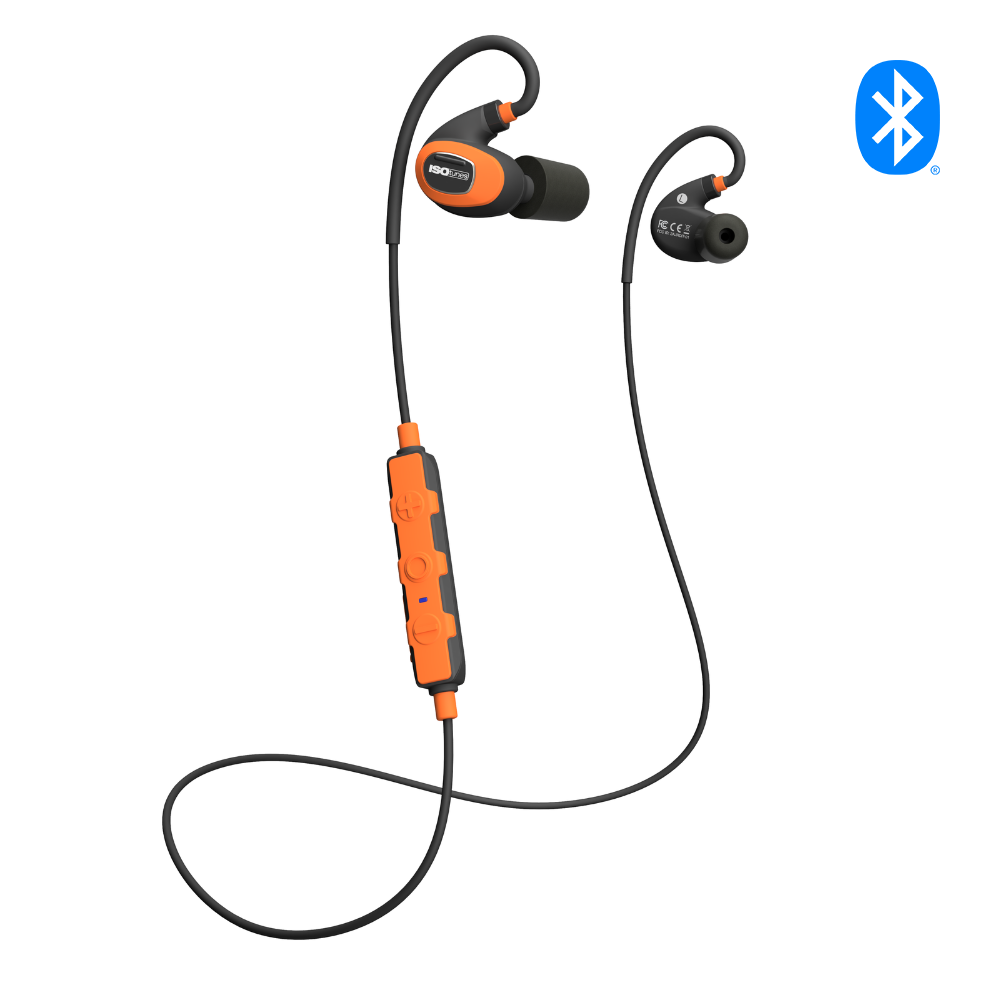
PRO 2.0ISOtunes PRO 2 Hearing Protection Earbuds with Bluetooth What's Inside
PRO 2.0
Sale price$109.99
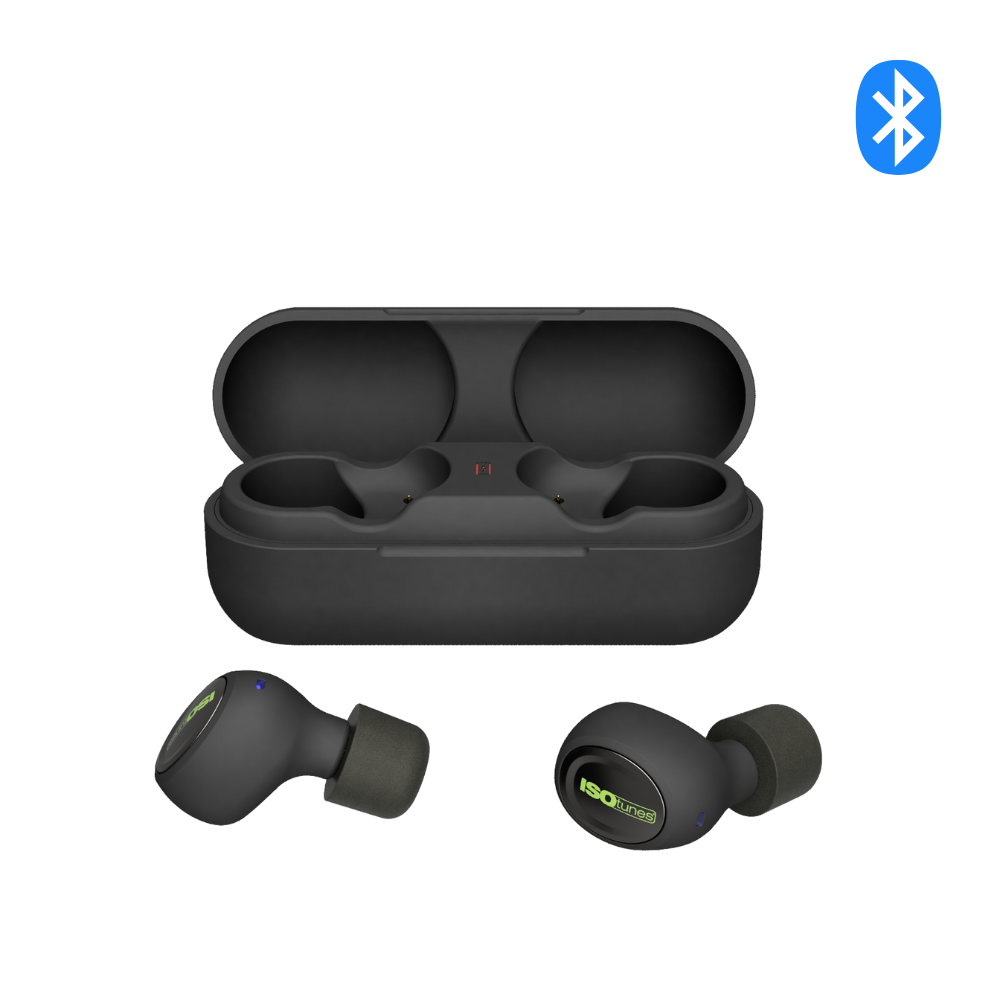
ISOtunes FREE 2.0 Green Earbuds with CaseISOtunes FREE 2 Hearing Protection Earbuds What's Inside
FREE 2.0
Sale price$129.99
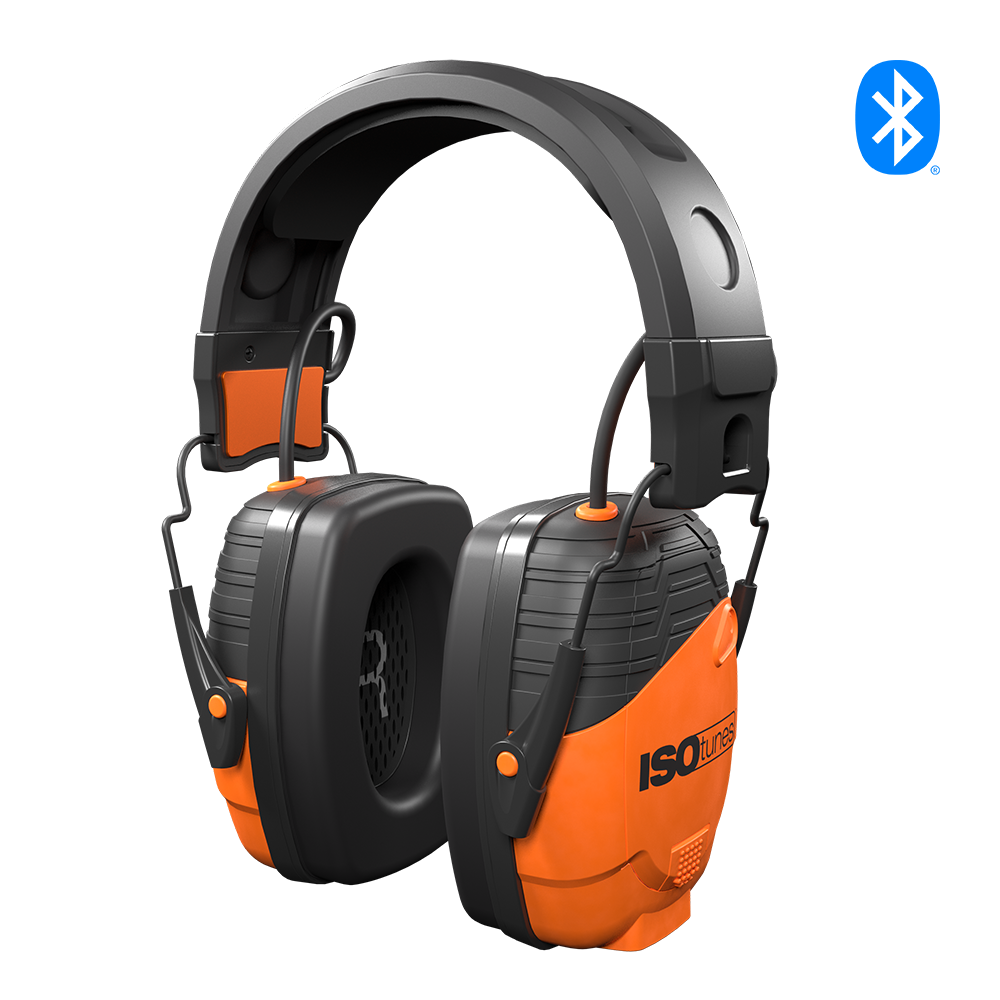
LINK 2.0LINK 2.0 Inside the Box
LINK 2.0
Sale price$129.99
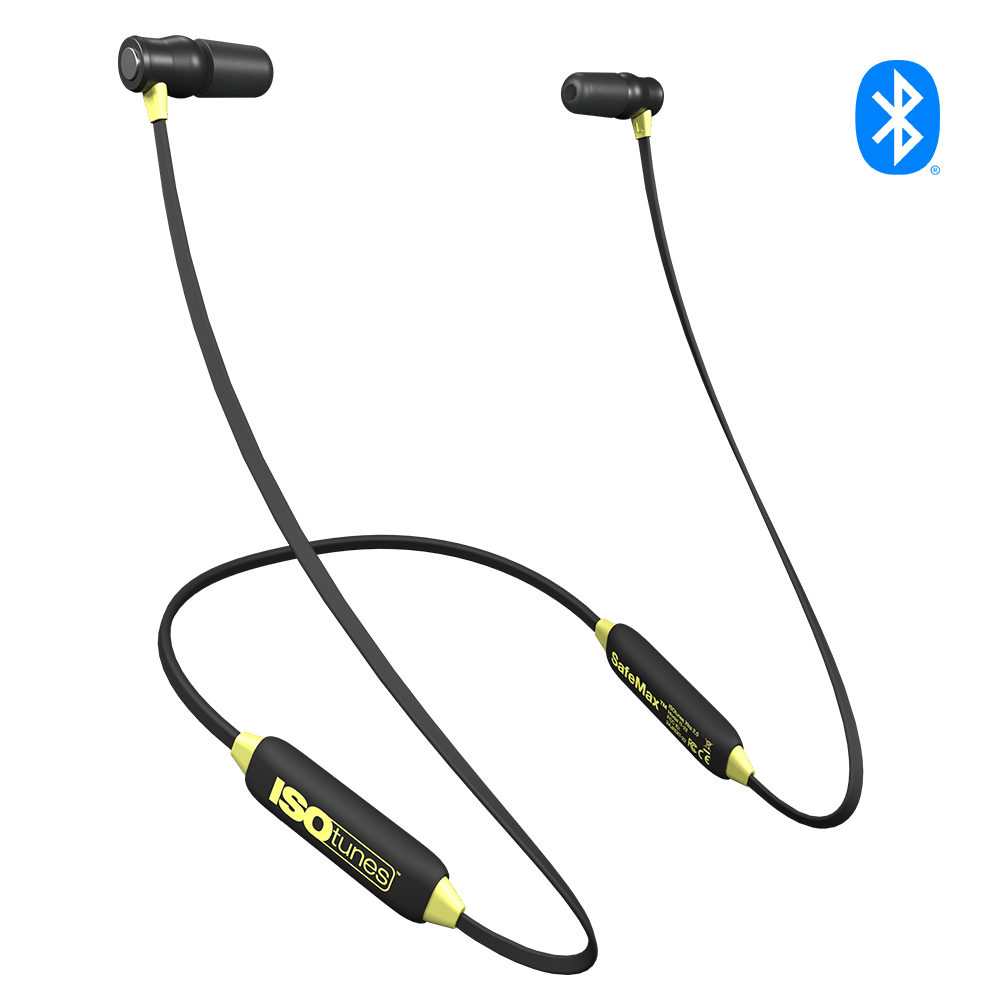
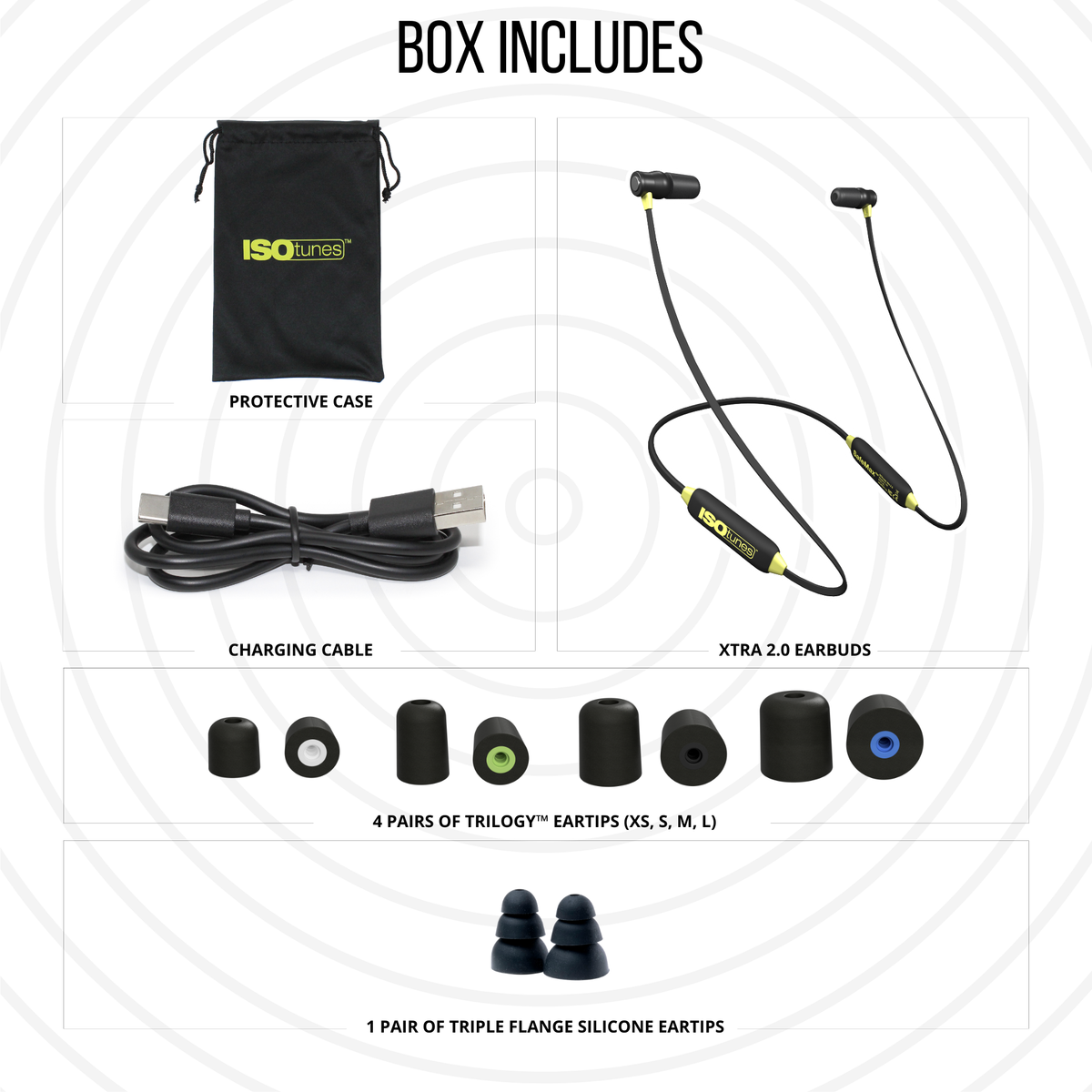
XTRA 2.0XTRA 2.0 Box Contents
XTRA 2.0
Sale price$89.99
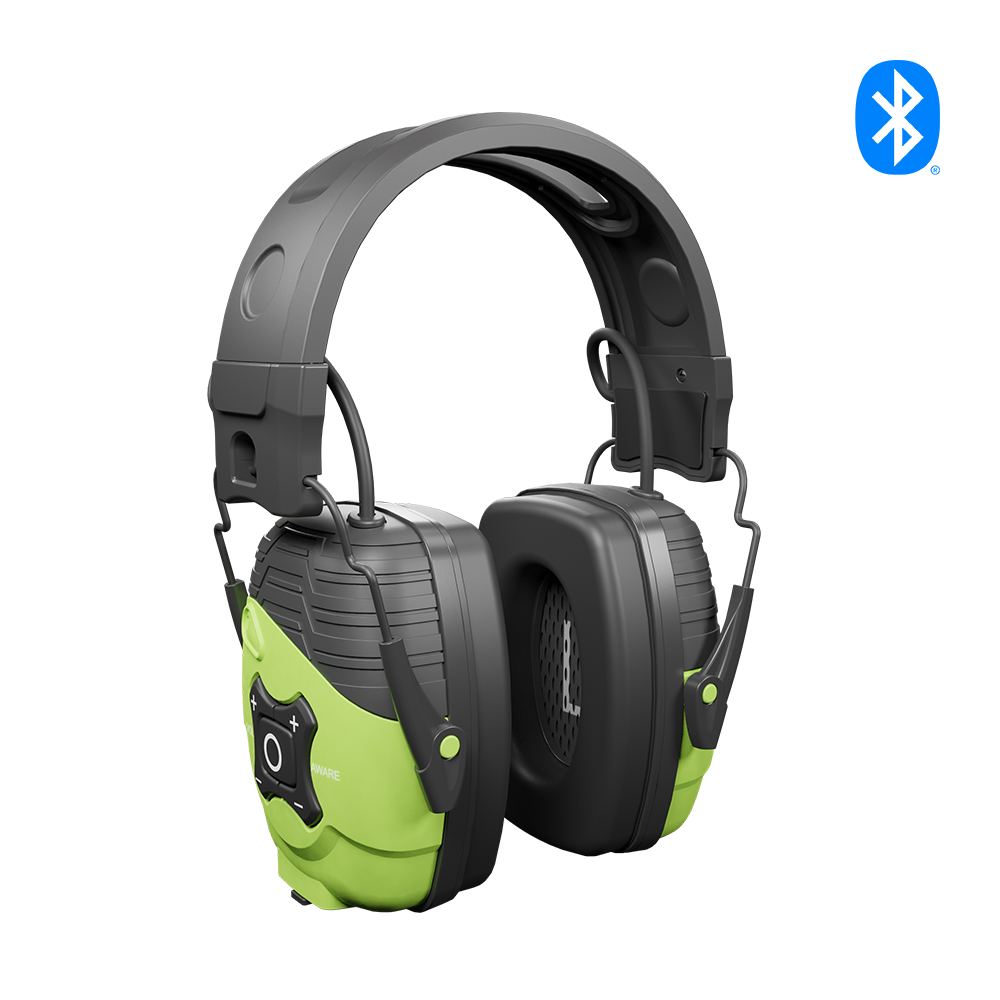
LINK AwareLINK Aware Inside the Box
LINK Aware
Sale price$169.99
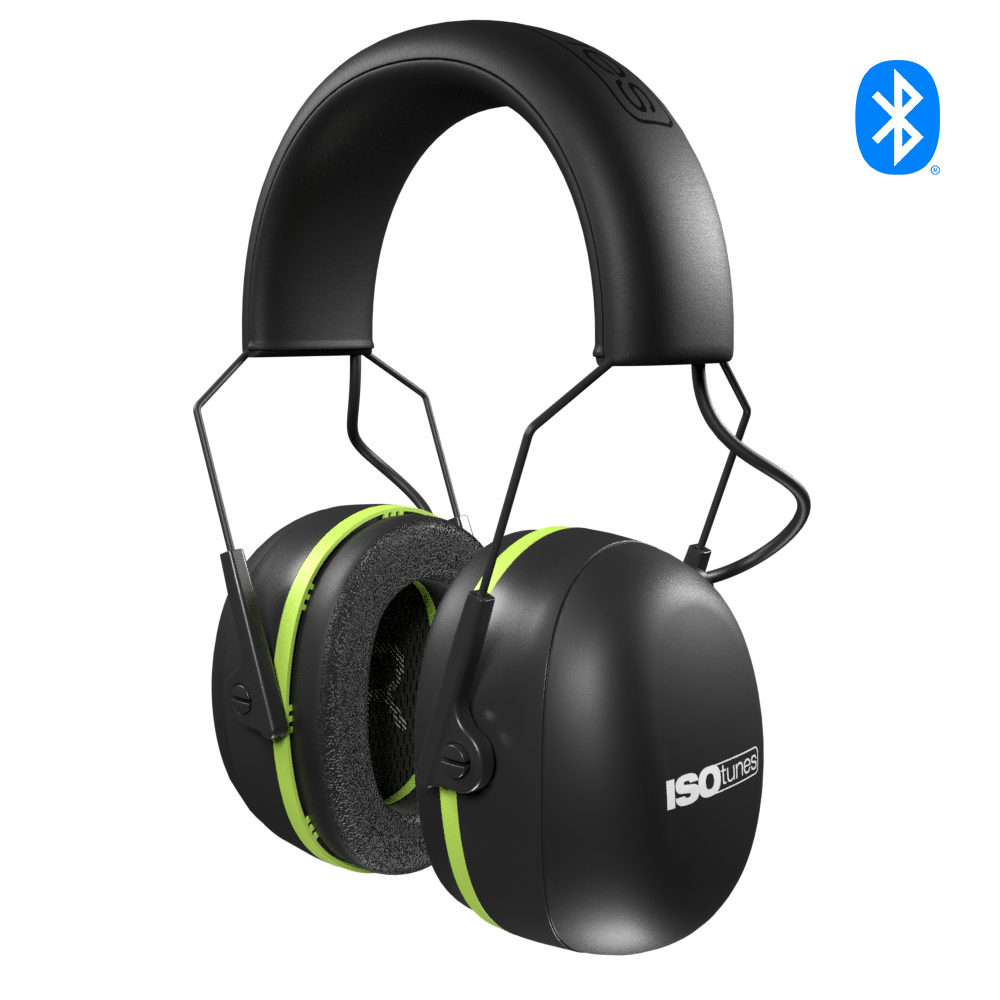
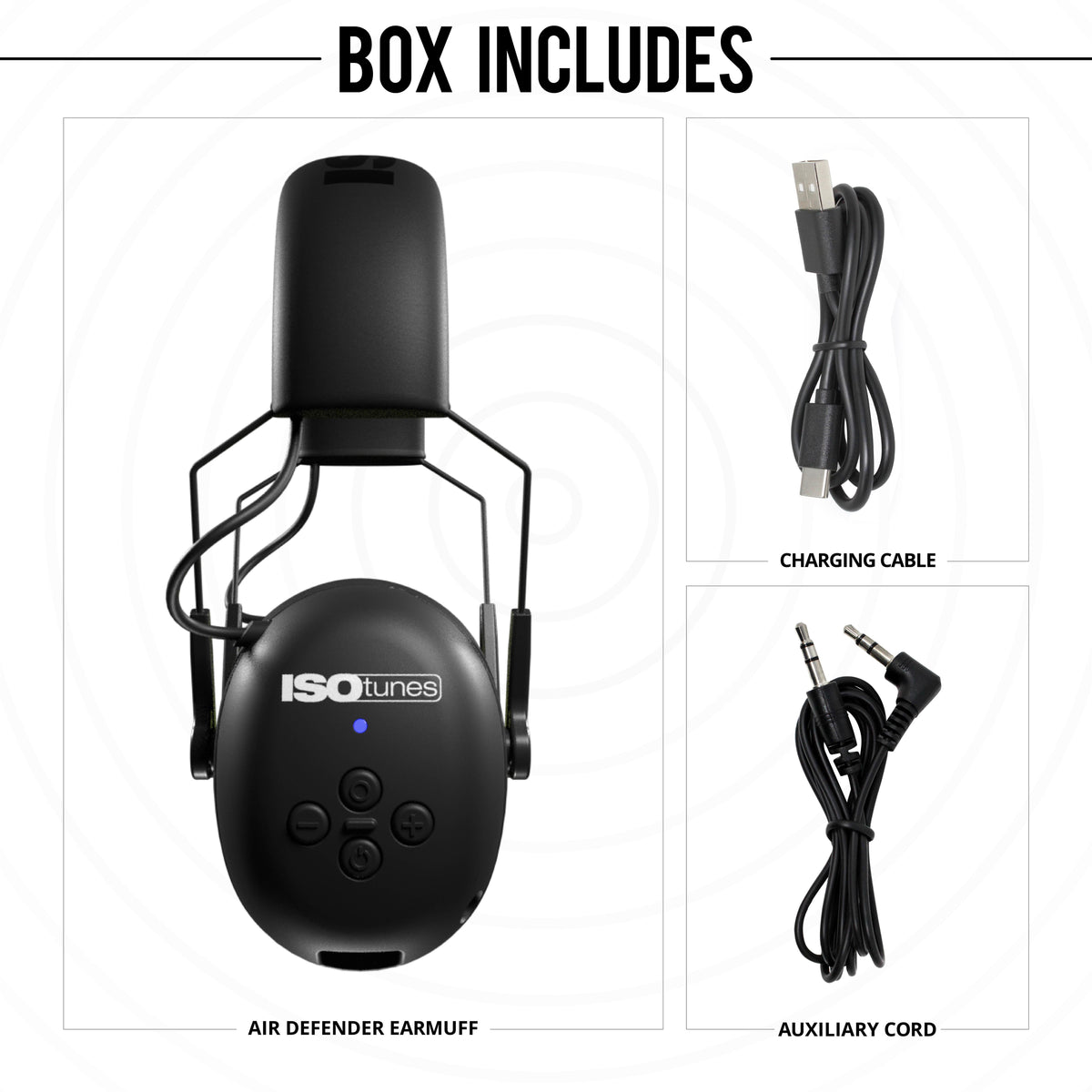
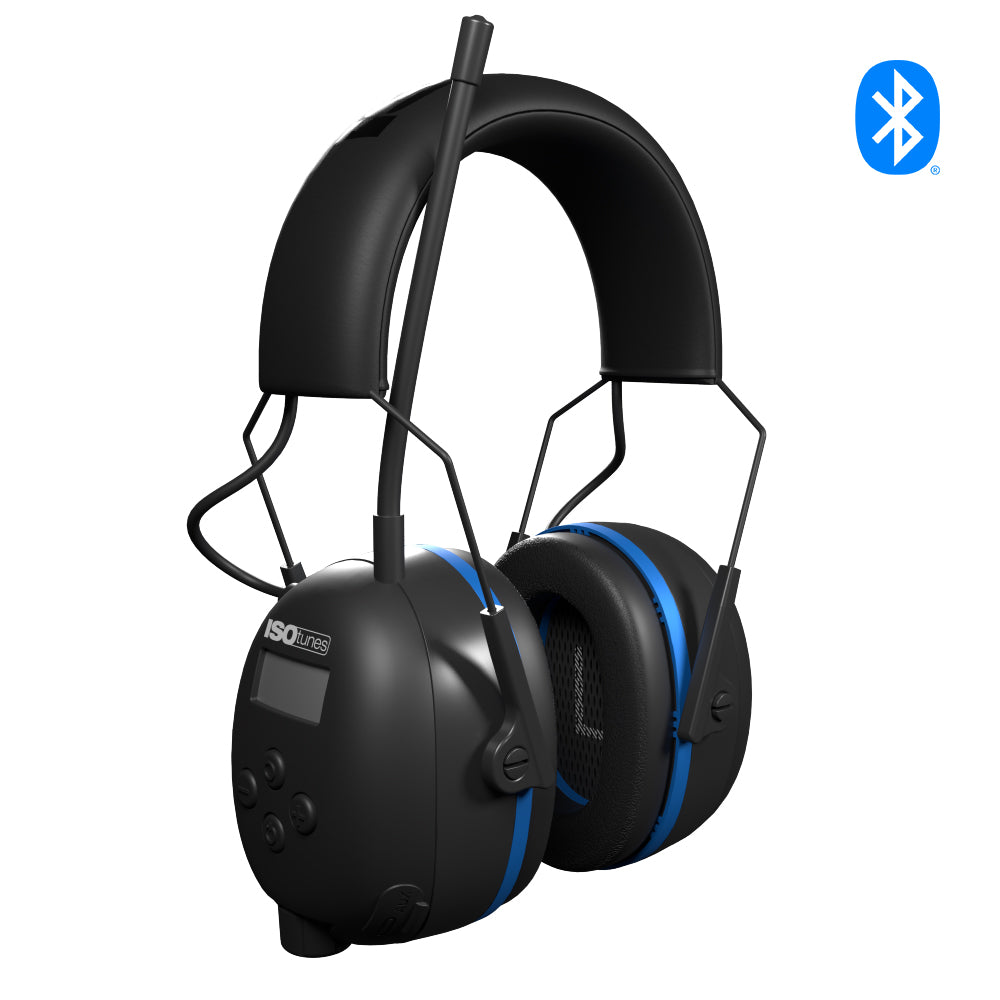
ISOtunes AIR DEFENDER Hearing Protection EarmuffISOtunes AIR DEFENDER Hearing Protection Headphones What's Inside
AIR DEFENDER
Sale price$89.99
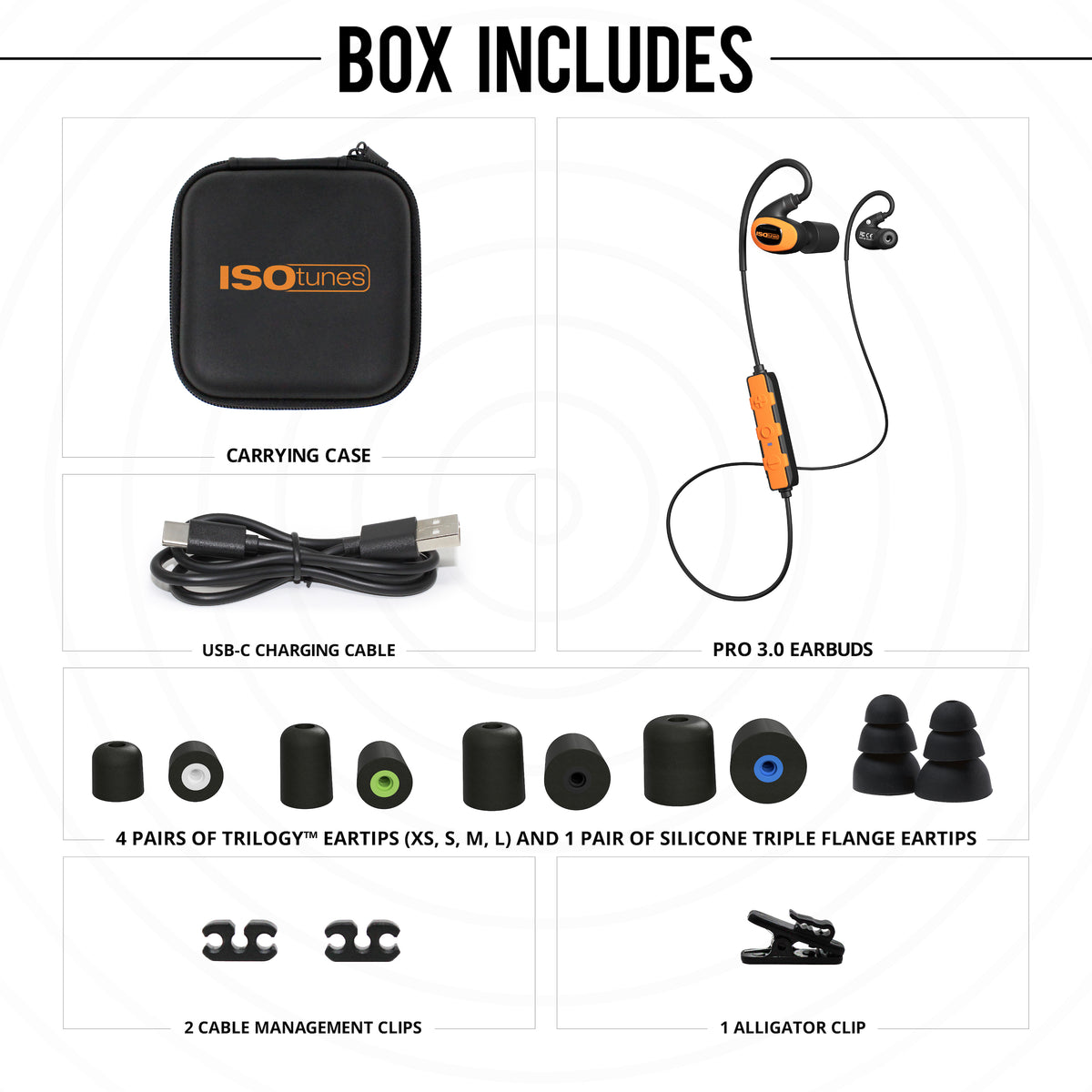
PRO 3.0PRO 3.0
PRO 3.0
Sale price$119.99
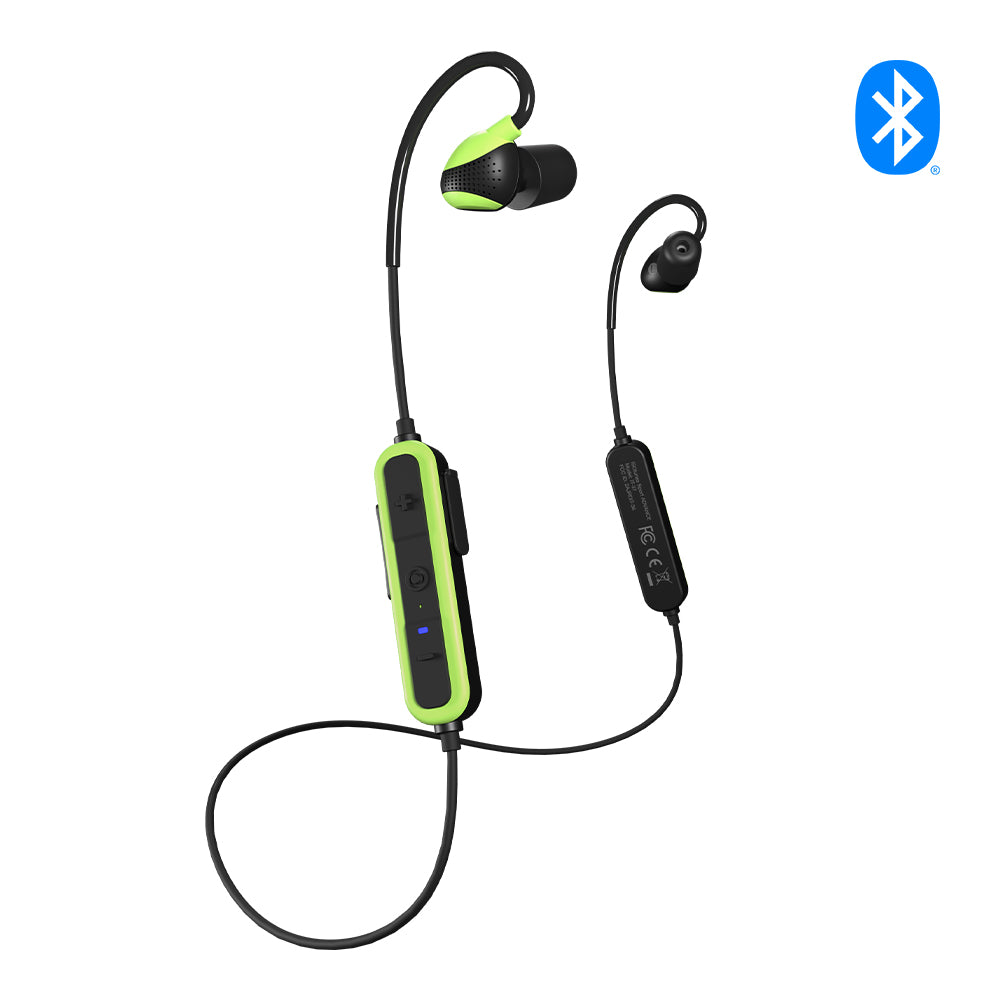
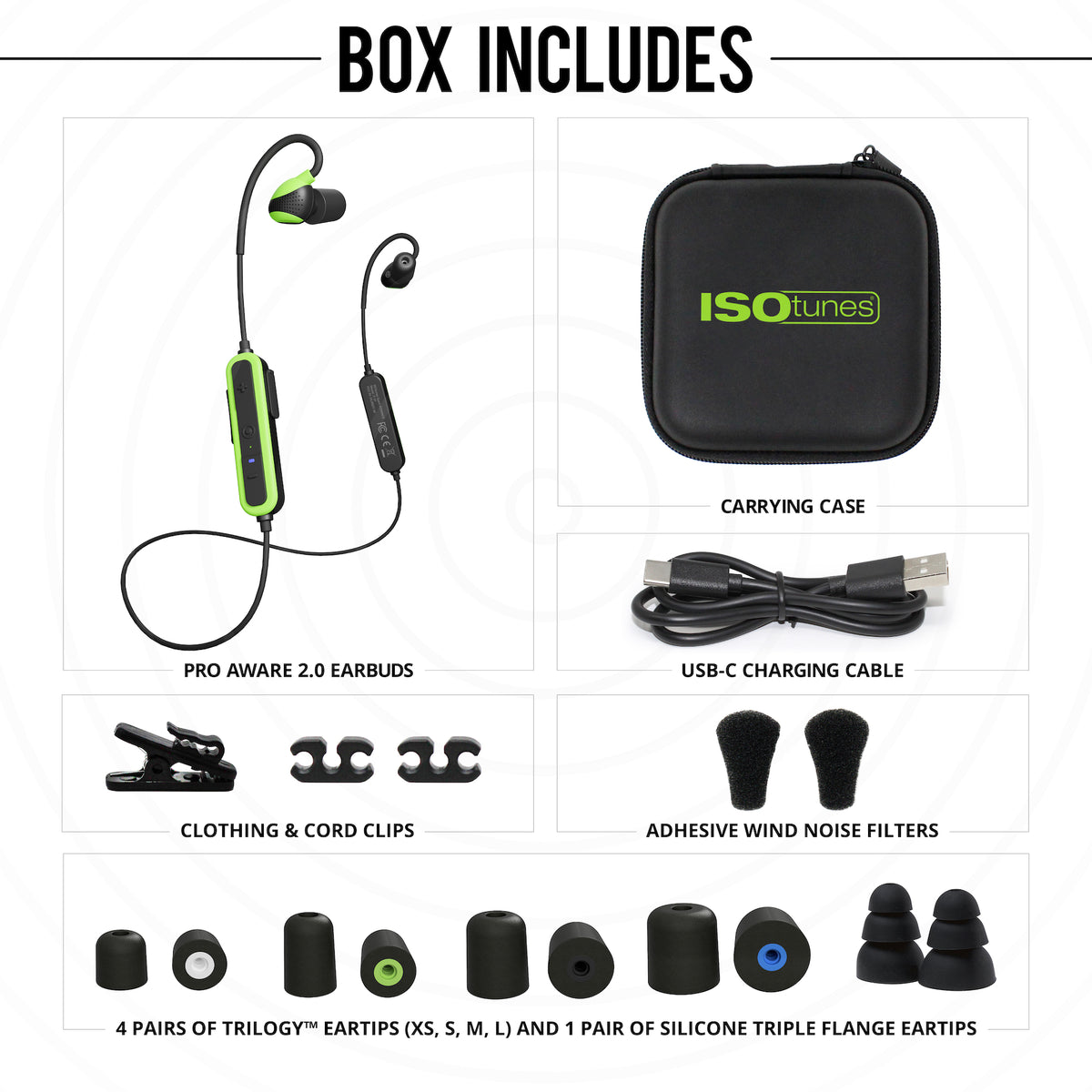
PRO Aware 2.0PRO Aware 2.0
PRO Aware 2.0
Sale price$169.99
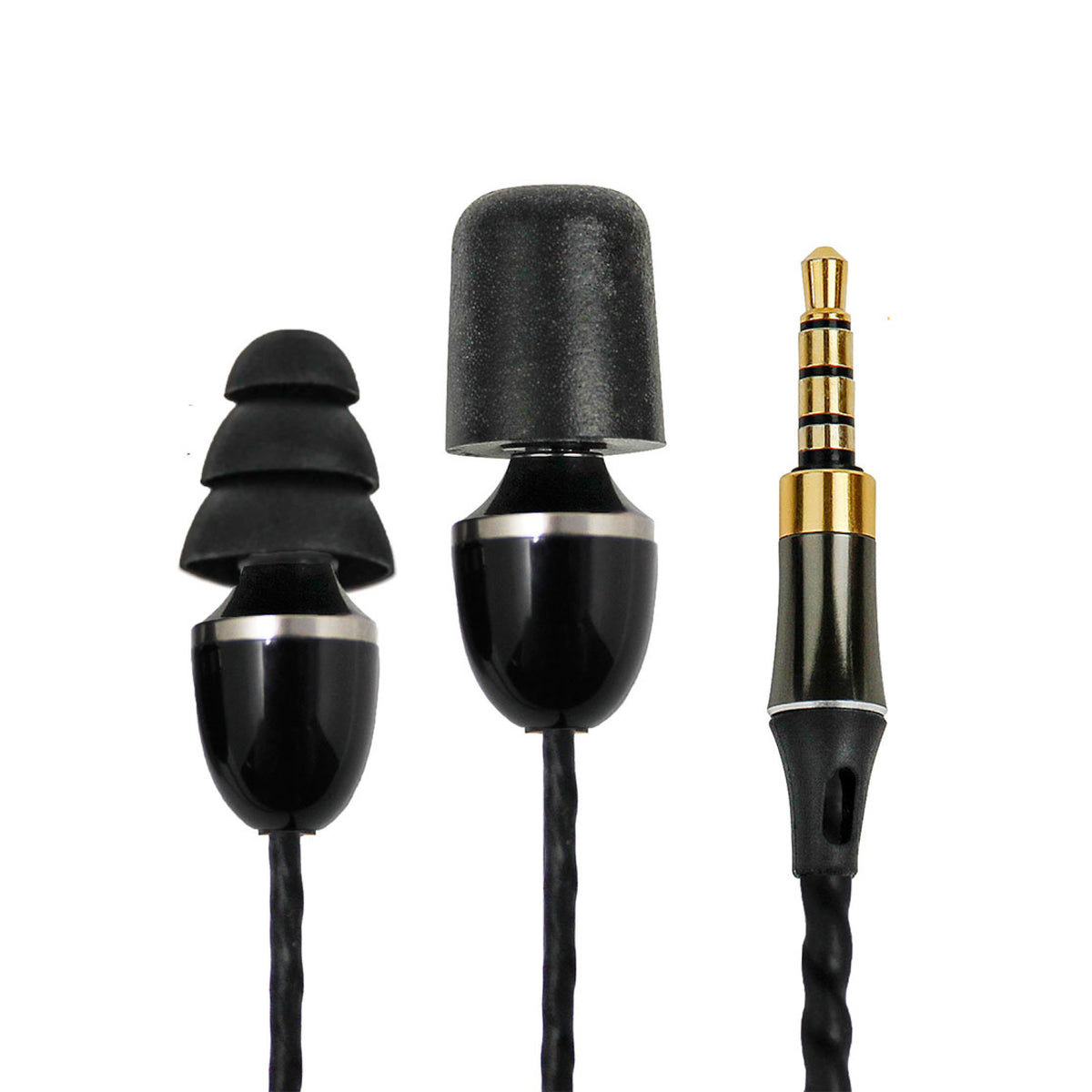
WIREDISOtunes WIRED Durable Earbuds What's Inside
WIRED
Sale price$49.99
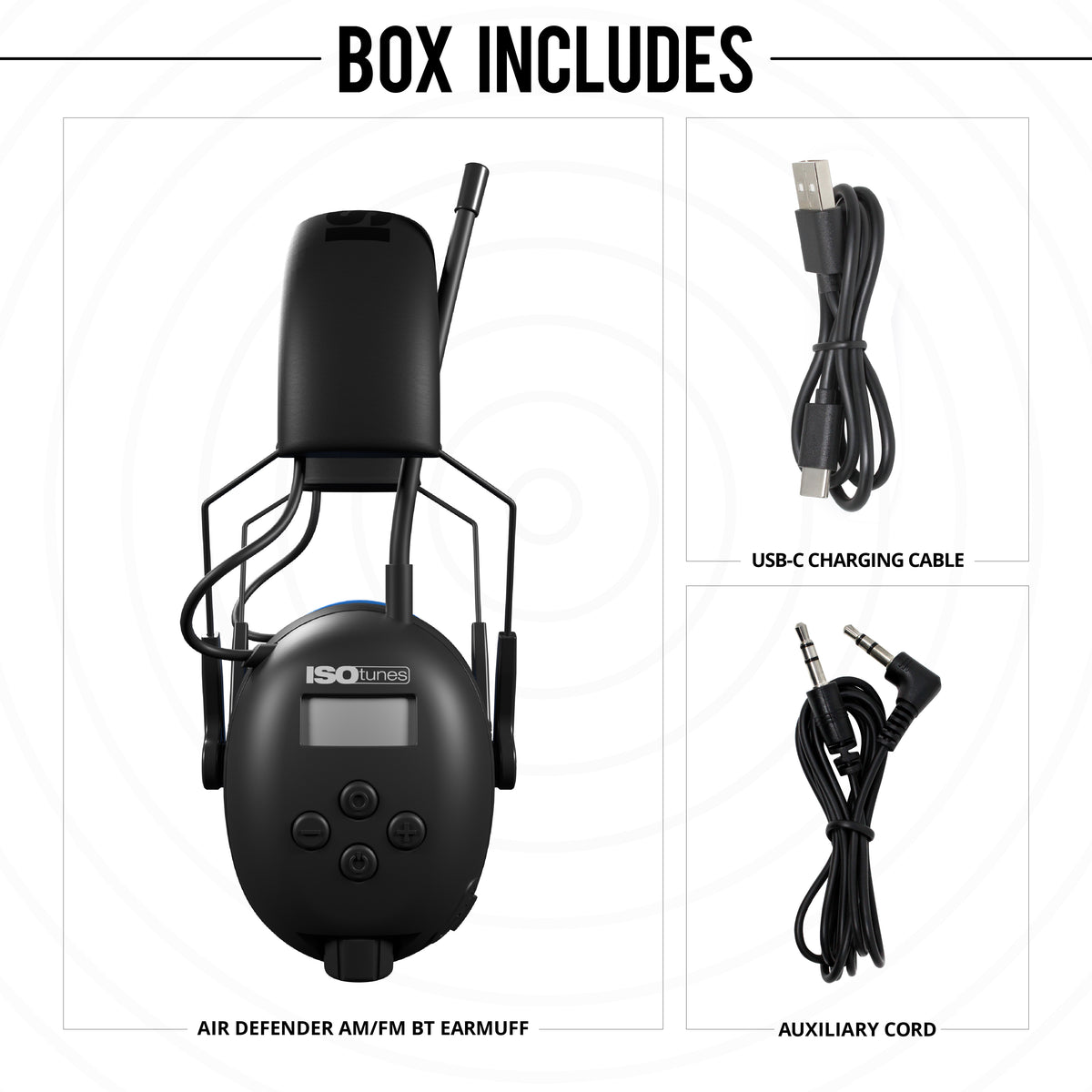
AIR DEFENDER AM/FM BTISOtunes AIR DEFENDER AMFM BT Hearing Protection Headphones What's Inside
AIR DEFENDER AM/FM BT
Sale price$119.99
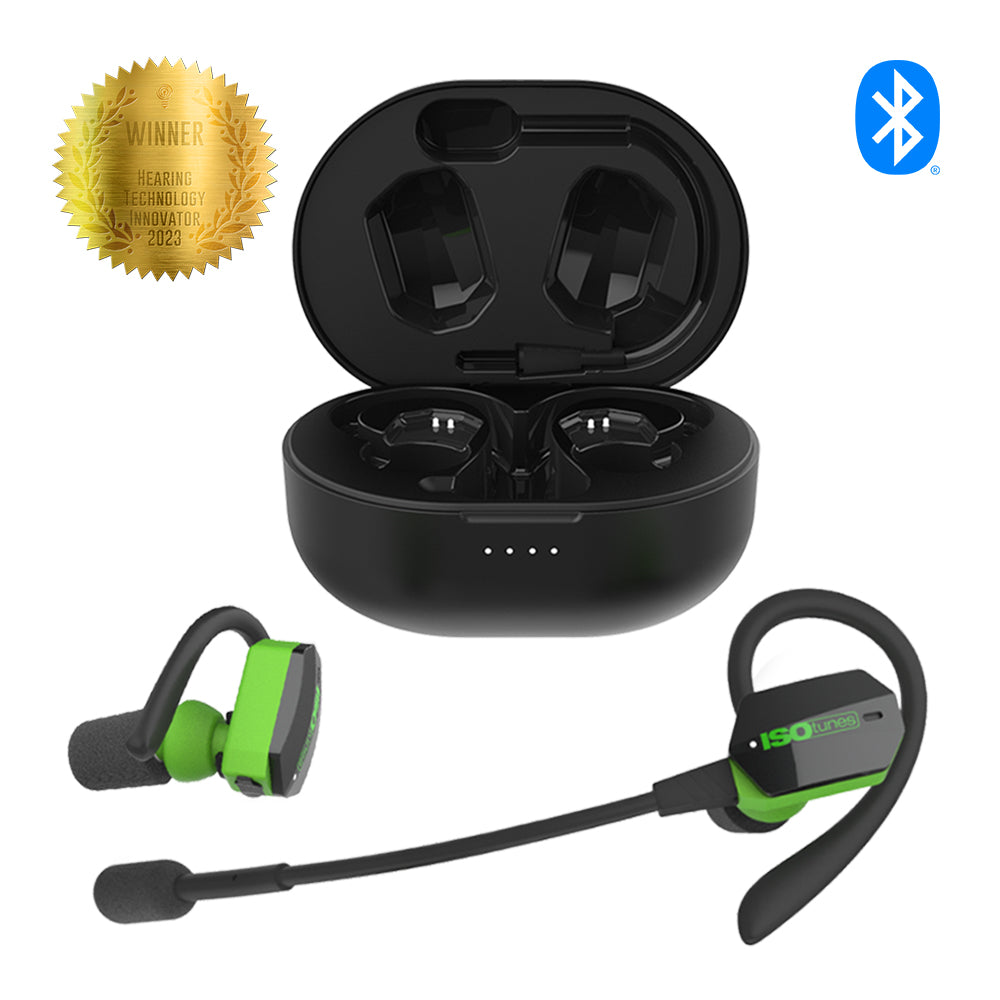
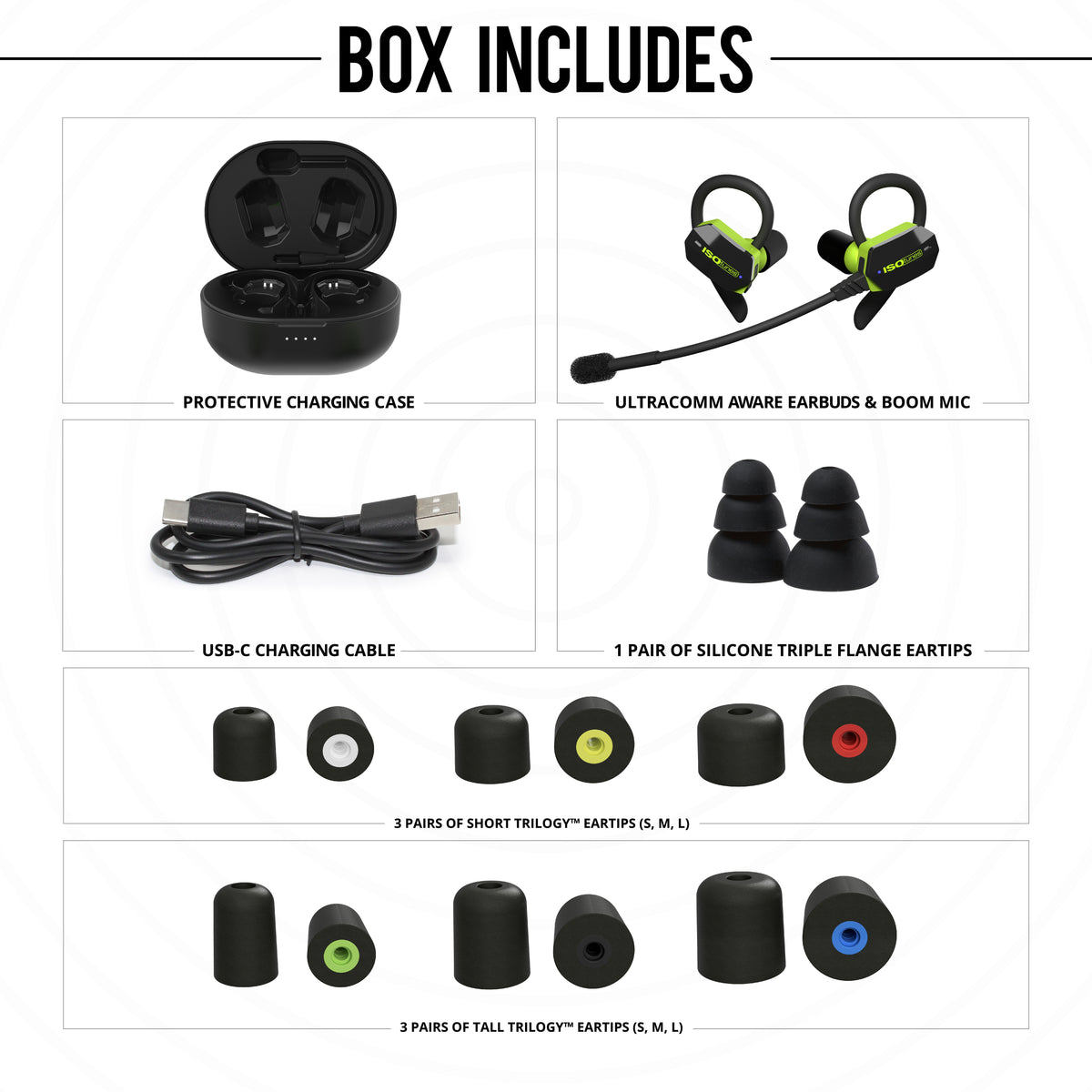
ISOtunes ULTRACOMM Aware Electronic Wireless Earbuds with BluetoothISOtunes ULTRACOMM Aware Electronic Hearing Protection Earbuds What's Inside
ULTRACOMM Aware
Sale price$279.99
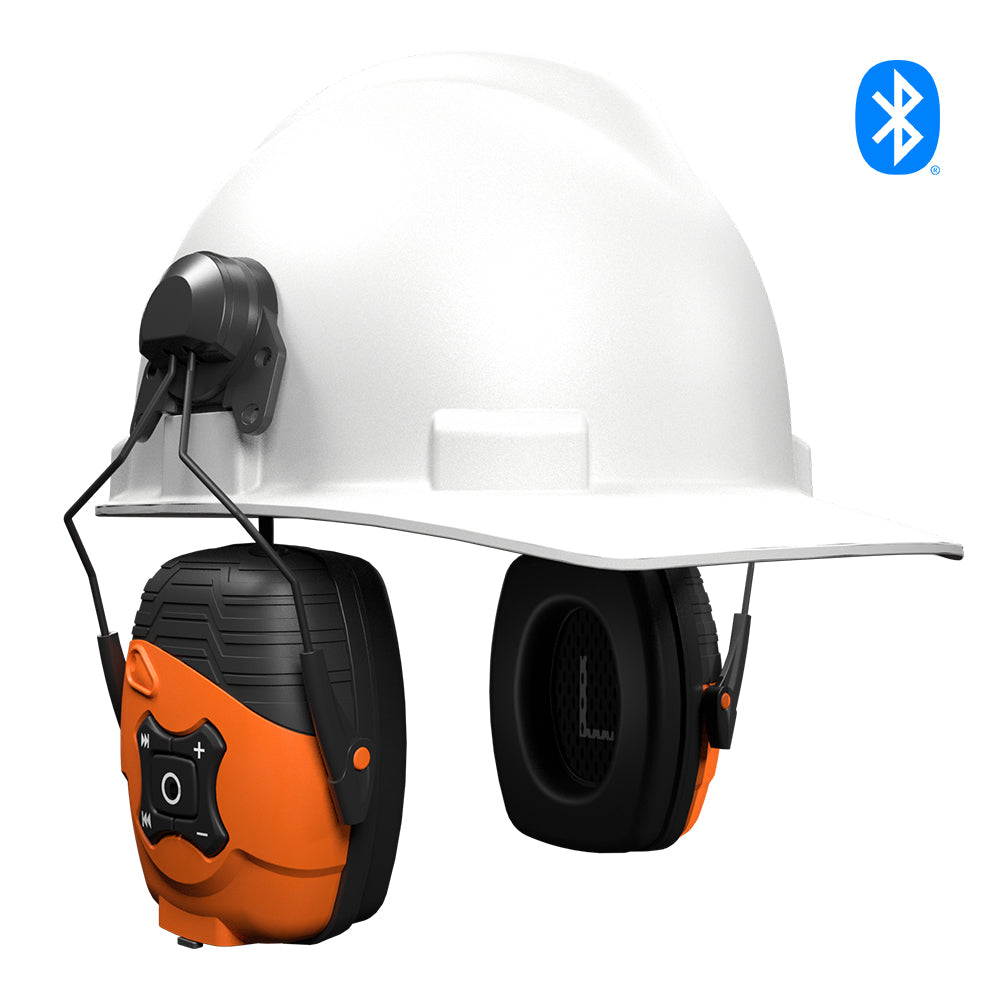
ISOtunes LINK 2 Helmet Mount Hearing Protection LINK 2.0 HM Inside the Box
LINK 2.0 Helmet Mount
Sale price$129.99
Expert tips & buying guide

Noise Blocking Headphones for Manufacturing & Workplace Safety

Working in manufacturing and industrial settings is no easy feat because you’re constantly being bombarded with sound, which eventually takes its toll on your hearing health.

Hearing loss is permanent, but also entirely preventable by making use of noise-blocking headphones. They differ from your general-purpose, consumer-grade Active Noise Cancelling (ANC) headphones, as these meet the demand for certified safety and communication, making them an essential piece of personal protective equipment (PPE). Let's talk more about them.

Why Noise-Blocking Headphones Matter in Manufacturing

Manufacturing environments are some of the loudest workplaces out there, with noise levels ranging from 70 dB to a whopping 120 dB. For reference, anything above 85 dB is considered dangerous and is the limit set by OSHA for an eight-hour shift.

Now, keep in mind an important point: the decibel scale is logarithmic. What that means is, a small increase in number is, in the real world, a massive increase in terms of noise. For example, remember that 95 dB is twice as loud as 85 dB, so if the level rises even slightly, your body’s ability to safely handle that sound exposure decreases drastically.

You can tolerate 85 dB for 8 hours, but 100 dB? Your body can maybe bear it for 15 minutes. Considering just how rapid this drop is, certified noise-blocking headphones aren’t particularly optional.

Certified noise-blocking headphones provide a continuous physical barrier against sound. They also often include volume-limiting technology, so any audio played through the speakers is safe for the ears. 

Using headphones with real certification drastically reduces the risk of any long-term damage to hearing for workers. This is, needless to say, a win-win situation for both workers and the company.

Why ISOtunes is the Perfect Fit for Manufacturing Workers

We all know how important safety is, on paper at least. Features are important, but safety gear is useless if you aren’t wearing it, right? That's why comfort is just as important. We use flexible, sturdy materials and our signature soft foam tips to make sure they’re comfortable all day. That combination also creates a snug, acoustic seal that keeps the harsh machine noise out, even when you're moving fast.

Here’s the biggest difference: those consumer headphones that look similar? They offer you little to no protection. Every single ISOtunes product is tested, certified, and carries an official Noise Reduction Rating (NRR). We meet real international standards, like ANSI. When you wear ISOtunes, you know your ears are protected. That’s why we’re the choice of most manufacturing workers.

Situational Awareness Technology (TSC / Aware Features)

What is the fundamental flaw of traditional ear protection? The fact that they isolate you from all sounds. Well, in a workplace like a construction site or factory, that is actually an extremely unsafe situation that leaves you quite vulnerable. You need all your senses on guard in such hazardous and dynamic situations.

Workers need to hear alarms, verbal warnings, and oncoming vehicles. Blindly blocking all external sound greatly increases the risk of accidents.

This is where Situational Awareness Technology comes into play, and we call it Aware Technology or Tactical Sound Control (TSC).

This feature uses external microphones that process the sound outside, amplifying the low-but-important sounds like voices and announcements while suppressing the loud, unsafe sounds like engine rumblings or loud air blasts before they can reach your ears. The entire process happens within less than 2 milliseconds. It blocks the loud spike, protecting the worker's hearing immediately, and the awareness feature turns back on.

This way, workers are protected from dangerous sound spikes but also stay constantly aware of their surroundings. It is far superior to consumer Transparency modes, which may not limit high-decibel peaks safely.

Types of Noise-Blocking Headphones Available

There are three main types of noise-blocking headphones, each varying in terms of their specs and design:

Noise-Blocking Earbuds

The low-profile champions, noise-blocking earbuds, are like the advanced, more rugged version of your everyday wireless buds. They are certified hearing protectors with tiny speakers that use foam or silicone tips that are inserted directly into the ear canal, and the tip then expands and creates a tight seal that doesn’t let sound through.

These are quite lightweight, discreet, and portable. They easily fit in the pocket and can be worn even under helmets, goggles, face shields, and hats where over-ear bulk is an issue. They often, despite their tiny stature, come with the highest NRR ratings thanks to that ear tip design.

However, they must be inserted correctly because otherwise, the protection levels you expect are dropped significantly, and they do demand hygiene measures as they are placed directly in the ear canal.

Noise-Blocking Earmuffs

Earmuffs are the easy-on, easy-off option. Earmuffs are something all industrial and manufacturing workers are familiar with. The feature-padded, acoustically dampened cups fit entirely over your outer ear, held together by an adjustable headband. They use foam-filled cushions that press firmly against your head, creating this "silent noise" right around your ears.

Though their convenience is easily their best feature, they are incredibly easy to put on and take off. If your job requires you to move in and out of noise zones often, like maintenance or site supervision, the earmuffs' reliability and simplicity are a major plus. Also, their large physical buttons can be used without removing gloves. Those who know, know just what a win that is.

Electronic Hearing Protection with Bluetooth

This category consists of all device styles, earbuds or earmuffs, that have high-grade passive protection (noise blocking), SafeMax technology, and Situational Awareness technology.

These devices maintain their physical, certified noise blocking (the physical materials are what stop the noise), mixed in with the features mentioned above.

  • SafeMax volume limiting makes sure that you never accidentally exceed the safe decibel levels with the audio you’re playing through your device (music, calls, podcasts).
  • Situational awareness technology, using external microphones, amplifies the safe and low sounds while blocking out the hazardous high-volume noises.

They are an all-in-one package that fulfills both industrial requirements for hearing protection and communication, and pairs that up with the everyday usability of consumer-grade headphones by allowing for streaming audio and Bluetooth connectivity.

Best ISOtunes Noise Blocking Headphones

When looking for the best model, it’s important to match the headphone's features to the worker's daily needs. We’ve got plenty of models in our line, and below are our top models:

ISOtunes PRO 3.0

This is one of our most popular choices because it gives you strong noise reduction in a small, lightweight earplug design that stays comfortable for hours. If you move around a lot during the day and want something that sits securely without feeling bulky, PRO 3.0 fits that need really well.

ISOtunes XTRA 2.0

If you like having your earbuds ready around your neck instead of digging through pockets, XTRA 2.0 gives you that convenience. The neckband rests comfortably, the magnets keep the earbuds in place, and the protection stays consistent even if you are constantly on the go.

ISOtunes AIR DEFENDER

Some people simply prefer the feel of over-ear protection, and the lightweight AIR DEFENDER delivers that with Bluetooth convenience. It creates a solid seal that blocks out steady loud noise, which makes it a good pick for work that involves long periods near heavy equipment.

ISOtunes FREE 2.0

If you want a truly wireless experience while still getting proper hearing protection, FREE 2.0 gives you that balance. It feels light, compact, and easy to wear for long stretches without cables pulling or tangling.

ISOtunes LINK Aware

This model is perfect for people who need over-ear protection but still want to hear what is happening around them when it matters. Our Aware Technology helps you stay alert to important sounds while keeping everything else at a safe level, which is incredibly useful in busy or safety-sensitive environments.

How to Choose the Right Model

The right model largely depends upon answering five key questions, which include your work environment situation and personal preference.

What level of noise are you dealing with?

 You must find out the average decibel level of your workspace and determine the minimum NRR you’d need. The calculation to find out the right NRR is super easy: subtract the NRR from the ambient noise level. If your job environment measures 105 dB and you use a headphone with NRR 28 dB, your exposure is reduced to 77 dB. The goal is to keep sound below 85 dB, as that is considered safe.

How Important is Situational Awareness?

If your work is more sedentary in nature, simple passive noise blocking is sufficient for the most part. However, if you work with a team and have hazardous areas spread across your workplace, like in a construction site, you absolutely need the Aware or TSC feature.

Passive noise blocking isolates you from the noise around you, but TSC/Aware technology allows you to hear your ambient sounds while suppressing all the dangerous sound spikes. This greatly prevents the dangerous habit of pulling out protection to communicate.

How Much Battery Life is Required For Your Shifts?

How long is your shift? Well, you’d need a pair of headphones that can at least last as long as your shift is. True wireless earbuds tend to have smaller batteries for continuous consumption, but their case does hold a charge in them, so consider that, too.

What do you prefer: Earbuds vs Earmuffs?

This is largely a matter of personal preference. Earbuds fit quite discreetly under other safety gear like helmets and hard hats, and since they do fit inside the ear canal, they’re arguably the best at sound control. 

Earmuffs are generally considered more comfortable as you do not have to insert them inside the ear canal, and they instead sit on top of your ear. Plus, you can easily put them on and remove them.

Also, do not take the comfort factor lightly because no one wears uncomfortable safety equipment, defeating its entire purpose. So, try out both styles and see which one is actually comfortable to you.

IP Rating Requirements (Dust, Water, Sweat)

The IP, or Ingress Protection rating, is an international standard that indicates how durable a device is against dust and water (and sweat). The higher the IP rating, the better.

FAQs

What are the best headphones to block out noise?

Headphones that have the highest NRR, on paper, would objectively be the best at blocking out noise.

What is the difference between noise cancelling and noise blocking headphones?

Noise-cancelling headphones use electronics that create an opposite sound wave to cancel out sounds, whereas noise-blocking headphones physically block the sound from entering the ear.